



I told people I was fine. Keeping busy helps, I’d say. I believed it.
Work was good. Productive. Normal. A return to structure when everything felt like it was coming apart at the seams.
But what was actually happening? Every time grief threatened to surface, I’d dive deeper into the work. Another feature. Another bug fix. Another problem with a solution, unlike death, which has none.
I wasn’t processing loss. I was administering constant local anesthesia through productivity.
The question I couldn’t answer then but think about constantly now: Was that wrong? Was productive distraction a form of avoidance that delayed necessary grieving? Or was it a legitimate survival strategy that got me through an unbearable period?
Can work truly numb the sting of loss? And more importantly, should it?
When someone dies, we’re handed contradictory advice:
Take time to grieve, but keep yourself busy.
Feel your feelings, but don’t wallow.
Process the pain, but don’t let it swallow you.
We assume there’s a correct amount of distraction, enough to function, not so much that you avoid the emotional work.
But the line between helpful distraction and harmful avoidance isn’t stable. It moves. What’s survival today might be suppression tomorrow.
We romanticize the person who faces grief head-on and takes time off.
Who doesn’t hide behind work, but that assumes everyone can afford that approach financially, emotionally, and practically. It assumes sitting with grief is always more healing than moving through it.
Sometimes sitting with grief is just drowning slowly. This pattern appears everywhere once you start looking.
Surgeons who operate hours after receiving devastating news. Not because they’re cold, but because the surgery can’t wait, and their hands know what to do even when their hearts are broken.
Parents are maintaining school routines for their children while privately falling apart. Making lunches, signing permission slips, and reading bedtime stories, all while carrying something heavy enough to make breathing feel like an effort.
Writers produce their most prolific work in the year following a loss. Not because grief fuels creativity in some romantic sense, but because stringing words together gives them something to hold when everything else has come loose.
Are these people avoiding grief? Or surviving it in the only way available to them?
Surgeons who operate hours after receiving devastating personal news. Not because they’re cold or in denial, but because the surgery can’t wait and their hands know what to do even when their hearts are shattered.
Parents who maintain routines for their children while privately falling apart. Making lunches, helping with homework, and attending school events, all while carrying grief that makes breathing difficult.
Writers who produce their most prolific work in the year following a loss. Not because grief fuels creativity romantically, but because stringing words together gives them something to control when everything else is chaos.
Are these people avoiding grief? Or are they surviving it in the only way available to them?
Here’s the nuance that gets lost: work can numb pain without preventing grief.
I worked through my grandmother’s death. I also cried in the breaks between meetings. I also felt its weight in my chest every single day.
The work didn’t cancel the grief. It gave me something to do during the hours I had to be upright and conscious. It dulled the acute edge enough to function, but the loss sat underneath everything, quiet and constant.
The question isn’t whether work numbs. It’s whether the numbing is a problem.
Sometimes numbing is necessary. Not permanent avoidance. Temporary anesthetic.
When pain is so overwhelming that it prevents all functioning, some numbing through work, through routine, or through distraction might be the only way to survive until you’re capable of more direct processing.
The surgeon uses an anesthetic not to prevent healing, but to make the procedure survivable.
I worked through grief for three months. By month four, I realized I’d stopped grieving at all.
The work had started as a way to manage overwhelming pain. It had become a way never to feel it. I was hitting deadlines, appearing functional, and checking off tasks, but I’d sealed the grief away, boxed it, and refused to look at it.
That’s when productive distraction becomes an issue, when it stops being a survival strategy and starts being a suppression strategy.
The difference is this: survival means you’re still feeling, just managing the intensity. Suppression means you’ve stopped feeling entirely, and the feelings are accumulating somewhere you’re not looking.
I thought I was coping. I discovered later I’d been avoiding it.
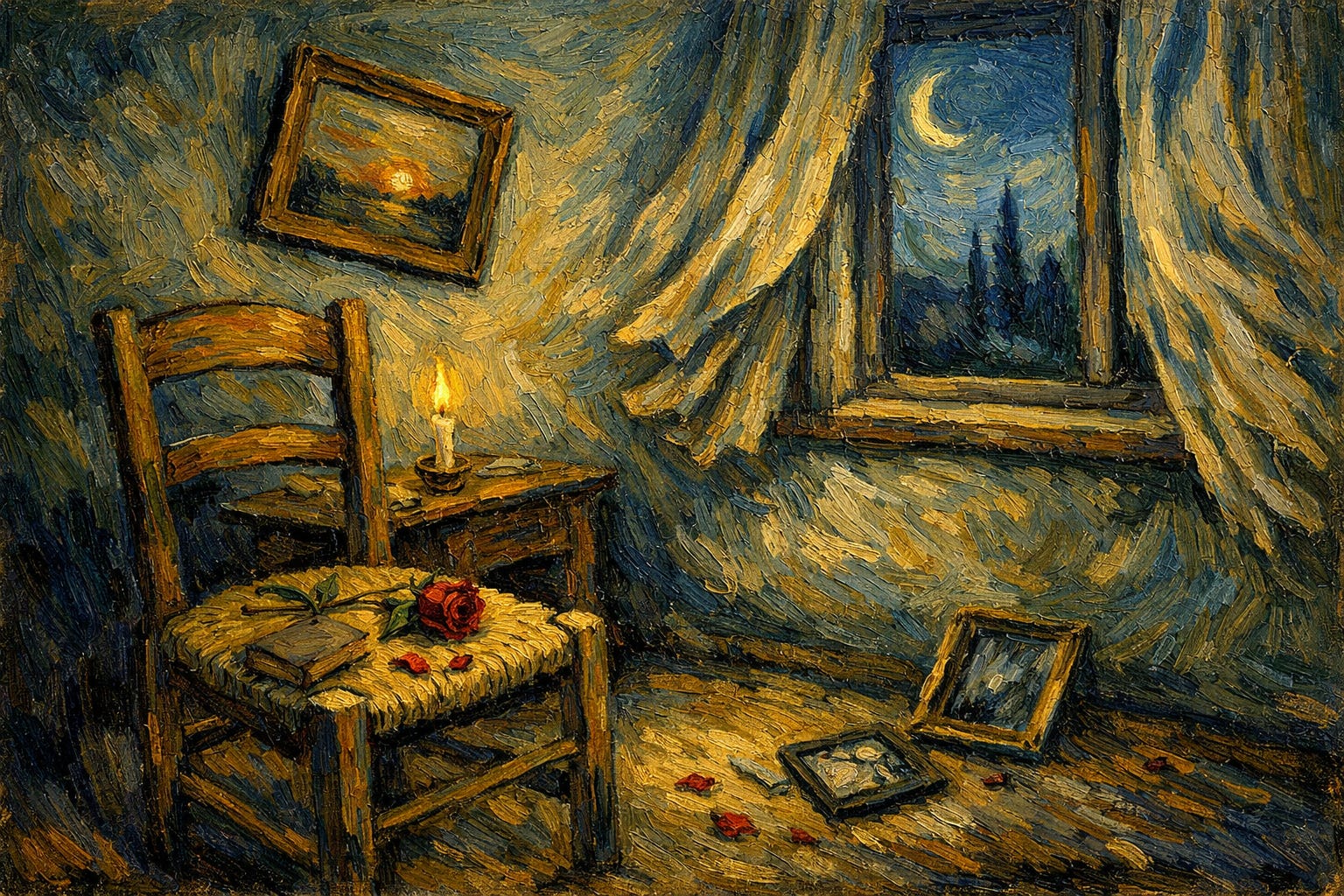
Six months on, it exploded anyway, triggered by something small and completely unrelated. All the pain I’d been deferring came back at once, more overwhelming than if I’d felt it gradually.
Grief doesn’t disappear because you’re busy. It goes underground, and underground grief has a way of surfacing in other forms: chronic anxiety, unexplained anger, and a low sadness that seems to have no origin.
Deferred grief collects interest.
The most honest approach is to stop pretending the numbing isn’t happening.
Acknowledge it: I’m working a lot right now because I can’t handle feeling this fully yet. The work is giving me breathing room.
Then check in periodically and honestly: is this still breathing room, or has it become a wall? Am I managing the intensity, or am I avoiding it entirely?
If there’s still breathing room, keep going. You’re surviving in the way you need to.
If it’s become a wall, that’s when you create space, gradually, for the grief you’ve been postponing.
Work can numb the sting of loss, and that’s not always bad, but numbed pain is still there, waiting. Eventually, you feel it. The only question is whether you feel it slowly, while functioning, or all at once, when the numbing finally gives way.
Everything else is just a postponement pretending to be healing.