


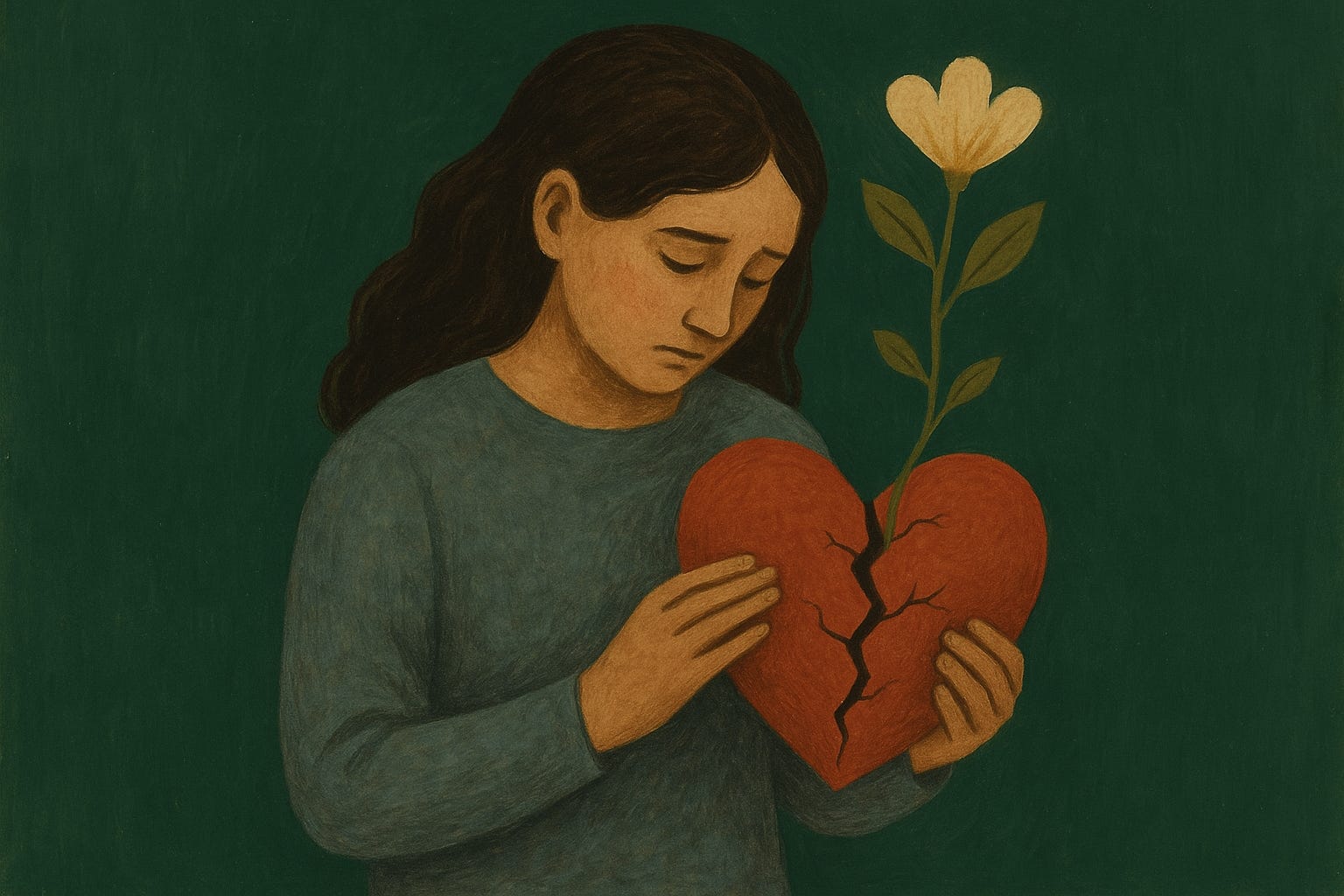
We say it as comfort. “Time heals all wounds.” It’s meant to be kind. It’s intended to suggest that you don’t have to be OK right now.
Eventually, you will be. Just wait long enough. Time will do the work.
But time doesn’t actually heal anything. Time gives you distance from the thing that hurt. Distance is not the same as healing.
You can spend twenty years away from a pain and still feel it as sharply the moment you’re reminded of it.
You can think about something you haven’t thought about in a decade, and it can hit you exactly as hard as it did when it first happened. Time didn’t heal that. Time lets you temporarily forget about it.
What people really mean when they say “time heals” is usually “time gives you space to do the work of healing.” And that’s a much different thing. Time is necessary but not sufficient. You have to do something with the time.
You actually have to process what happened. You have to feel it, understand it, integrate it into your story, and gradually construct meaning from it. Time alone won’t do any of that.
The grief researcher Pauline Boss talks about something called “ambiguous loss”: a loss that isn’t completely resolved, lingering without precise closure.
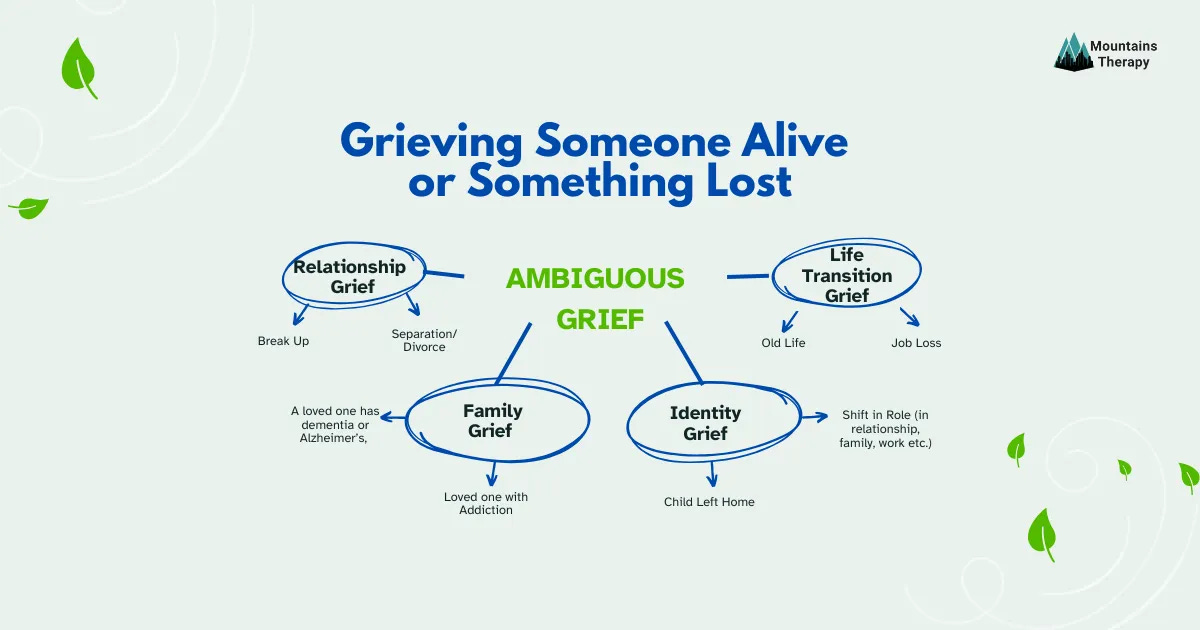
Grief from these kinds of losses doesn’t follow the neat stages that people used to talk about. It doesn’t move from denial to acceptance in a linear way. Instead, it comes and goes. It surges. It transforms.
Sometimes, decades later, it surges again.
A person can spend years thinking they’ve “moved on” from something, only to realise that what they’ve actually done is stop thinking about it. And the moment they’re reminded, they discover that moving on wasn’t the same as healing. The wound was just quiet. It wasn’t gone.
What We Learn When Waiting Isn’t Enough
The writer C.S. Lewis lost his wife to cancer. Years after her death, he wrote about how grief doesn’t follow a schedule. He said it comes in waves. Sometimes months pass without thinking about her intensely, and then something will trigger a memory, and the grief is as raw as the day she died.
He didn’t say time healed the wound. He said time changed his relationship to the wound. He learned to hold it differently. He stopped expecting to “get over it.”
He accepted that this loss would always be part of him.
And that’s the truth time offers. Not erasure. Not the disappearance of pain, but the opportunity, if you take it, to transform your relationship to the pain.
This is crucial because it means you’re not just waiting passively. You’re not healing by osmosis. You’re healing by choosing, every day, what you do with the hurt.
Do you ruminate on it, rehearse it, let it grow? Or do you feel it, acknowledge it, and gently turn your attention toward something else? Do you let it define you? Or do you hold it as part of your story without letting it be the whole story?
The psychologist Edith Kramer distinguishes between suffering and pain. Pain is inevitable. Suffering is optional; it’s what we add on top of pain through our relationship to it, through our resistance to it, through our insistence that it shouldn’t be happening.
You can’t skip the pain. You can’t wish it away. You can’t wait long enough for it to just disappear. But you can, over time, with effort, gradually reduce the suffering. You can stop fighting the fact that it happened. You can stop expecting yourself to be unaffected by it. You can stop treating yourself as broken because you’re still carrying it. Time gives you the chance to do this. But the doing is up to you.
Time is a container, not a cure
Some people spend decades without doing the work. They get numb.
They distract themselves. They run from the pain by staying busy, addicted, or in a constant state of mild dissociation. Time passes, but they’re not healing. They’re just ageing while the wound stays open.
Other people do the work relatively quickly. Not because time made it magically better, but because they felt what they needed to feel, they said what they needed to say, and they processed what needed processing. They didn’t wait for time to do the work. They used time as a container for doing the work.
The psychiatrist Judith Herman, who has worked extensively with trauma survivors, talks about recovery not as a return to how things were before, but as an integration. You take the before, and the after, and you find a way to hold both. You don’t pretend the trauma didn’t happen. You don’t pretend you’re unaffected.
But you also don’t let it be the only thing you are. And this takes time. Not because time heals, but because integration takes time. Because your nervous system needs time to reorganise. Because your brain needs time to make new neural pathways. Because your identity needs time to expand to include both the person you were and the person you became.
So yes, time is necessary. But not time alone.
Here’s what helps, in conjunction with time: feeling what you need to think without rushing past it. Telling the story over and over until it loses its power to destabilise you. Creating meaning from the suffering, understanding what it taught you, how it changed you, and what value came out of it. Connecting with others who have survived similar things. Slowly, gradually, building a life that isn’t defined by the loss.
This is what people are really offering when they say “time heals all wounds.” They’re offering hope that you have the capacity to integrate this. That you can survive this. That you don’t have to stay broken. That, eventually, not immediately, but eventually, the weight of it will become bearable.
And that’s true if you do the work. If you feel it. If you process it. If you’re willing to let it change you instead of just waiting for time to make you the same as before.
Because here’s what time actually does: it creates distance so that you can see clearly. It lets the acute crisis become a chronic reality, which is often easier to manage. It gives you perspective on what actually matters.
Time allows your nervous system to complete the integration process if you’re willing to do your part.
The somatiologist and trauma specialist Bessel van der Kolk talks about how trauma is stored in the body, and it takes time for the body to recognise that it’s safe now, that the threat has passed. But your mind can speed this process. You can help your body recognise safety. You can do the work of processing before your body’s natural healing timeline completes.
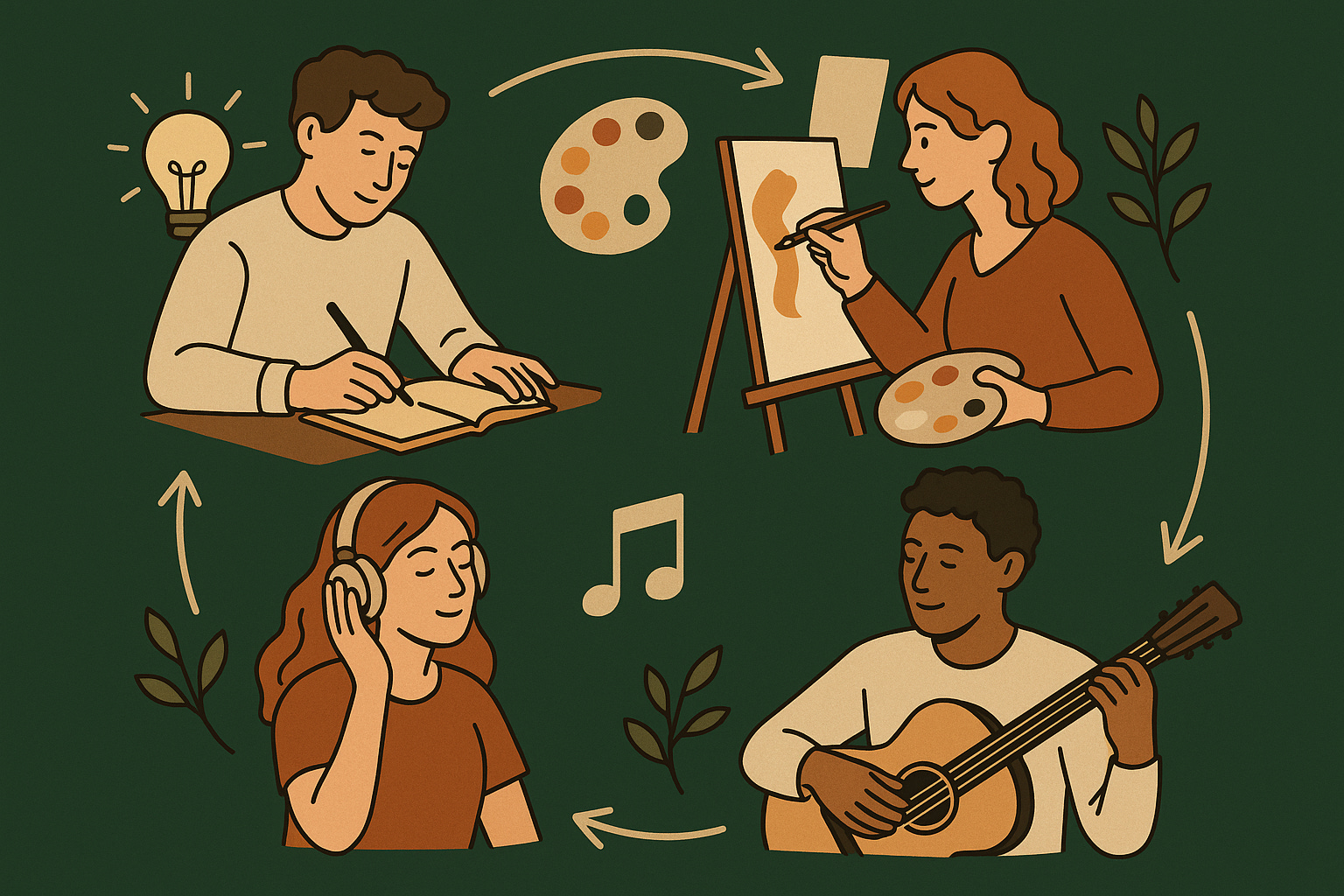
Some people do this by talking. Some by writing. Some people move their bodies by dancing, running, or practising martial arts. Some by connecting with nature.
The specific method matters less than the fact that you’re actively engaging with the pain instead of just waiting for it to fade, and some of the most profound healing comes from meaning-making.
When you can look at what happened and find the way it changed you, the way it taught you something, the way it made you more compassionate, more resilient, or more understanding of human suffering, the pain becomes something other than just pain. It becomes part of your story, and stories are bearable in a way that raw suffering isn’t.
Scars are proof that time does not erase the pain, but that we survived it.
The author Viktor Frankl survived the Holocaust.
He understood that suffering is inevitable. But meaning is optional. And the people who were most likely to survive and eventually find peace weren’t the ones who experienced the least suffering. They were the ones who found or created meaning from the suffering.
Time didn’t heal him. But time, combined with his commitment to finding meaning, transformed him into someone who could look at unimaginable suffering and still believe in human resilience, still believe in the possibility of growth, still believe that life was worth living.
That’s what time does for you if you use it right. It’s not magic. It’s a gift of opportunity. It’s a container for doing the work of becoming whole again. Not the same as before. Whole differently. Stronger in the broken places, wiser from the suffering, more capable of holding pain and still being OK.
So don’t just wait. Time alone won’t heal you. But time, combined with your willingness to feel, to process, to find meaning, to grow, that will transform you.
That will make the unbearable gradually become bearable. That will eventually give you the distance you need to see what you gained from what you lost.
That’s not the time for healing everything. That’s you healing yourself, over time. And that’s an entirely different thing and a much more hopeful one.
Thank you for reading. Your time and attention mean everything. This essay is free, but you can always buy me coffee or visit my shop to support my work. For more thoughts and short notes, please find me on Instagram.