


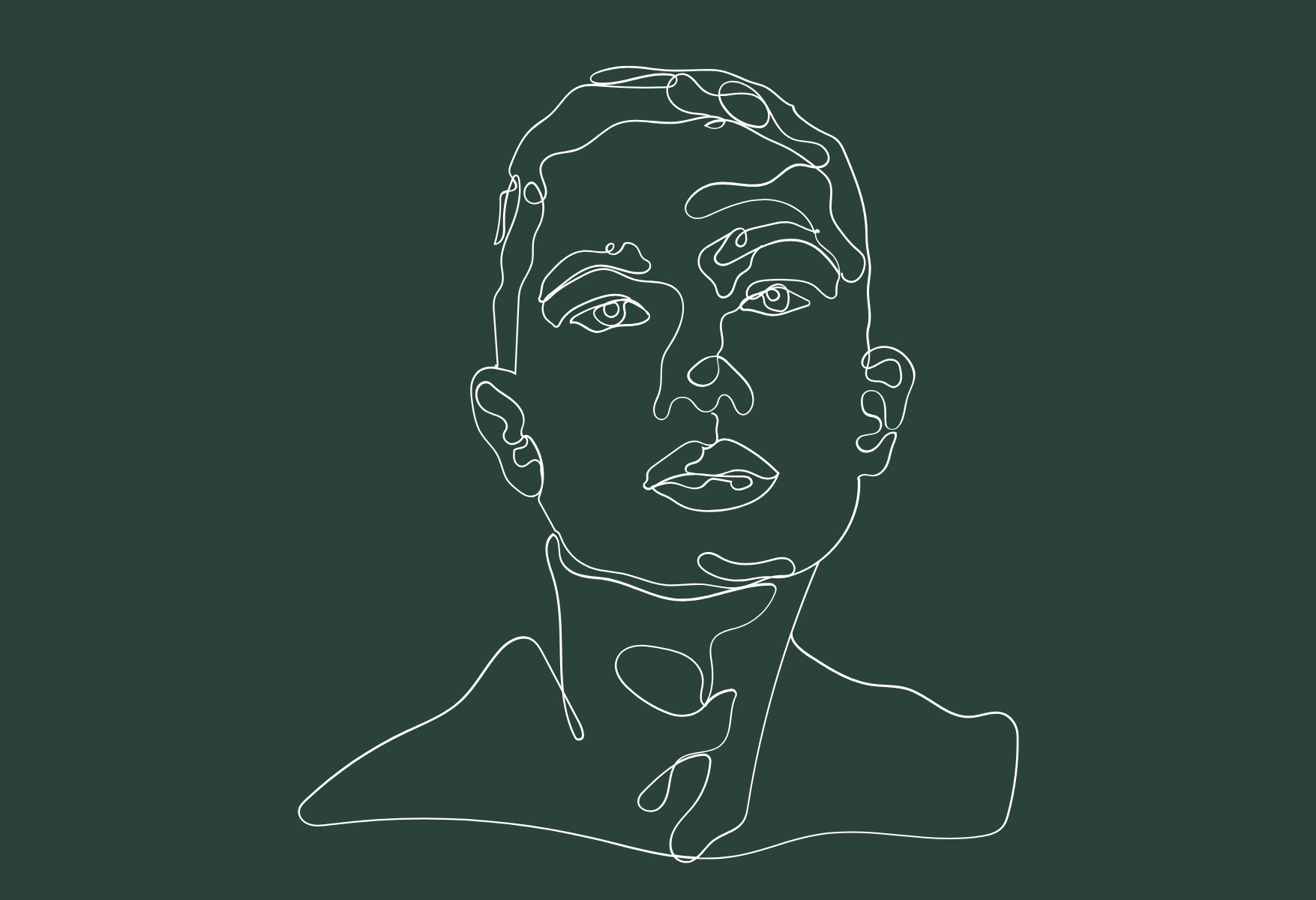
In Amadeus, Mozart is chaos in human form, the tortured genius whose brilliance pours out of his dysfunction, while the stable and methodical Salieri produces only competence.
The film industry treats this as a law. Genius needs chaos; steadiness yields mediocrity. It is a good story and mostly an invention.
The real Mozart kept meticulous catalogs of his work, wrote to commission and on deadline, taught, and managed his career. His output did not survive his discipline. It depended on it.
The myth lets us romanticize suffering and, in doing so, hides a plainer truth. Stability does not constrain creativity. It is what lets creativity accumulate.
We want to believe otherwise because the volatility flatters us. If genius requires torment, then our torment might be a sign of genius, and our instability becomes proof that we feel deeply enough to matter, but watch unstable artists over time, and the pattern is not sustained brilliance.
It is a flash, then a long silence. A burst, then a crash.
The chaos does not fuel the work so much as fracture it.
What looks like turmoil powering art is usually art trying to survive the turmoil.
The breakthroughs come despite the suffering, not because of it.
Steadiness is what allows volume, and volume is what gives excellence somewhere to appear. The writer who finishes one perfect story every three years may be gifted; the one who finishes fifty, learning from each, tends to go further.
A secure base is also what makes real risk bearable.
When your whole sense of self does not ride on a single attempt, you can try the thing that might fail and hear the criticism that would otherwise feel like a verdict on your worth.
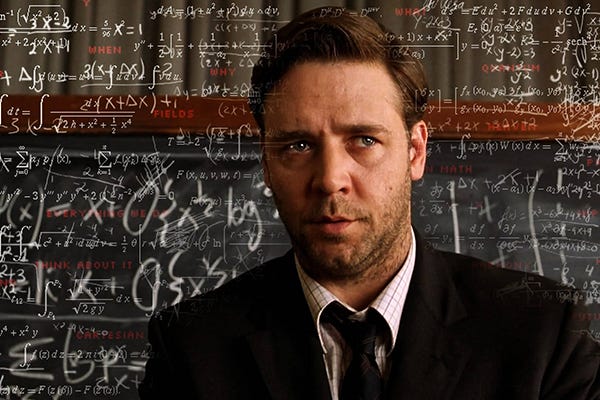
John Nash is the honest version of the story.
His finest work came not at his most chaotic but after he had found ways to live with his condition, keeping the unconventional mind while building enough stability to use it. Integration rather than collapse.
Feeling deeply was never the problem, and stability does not ask you to feel less. It asks whether the chaos produces work or only drama, whether the intensity ends in something finished or only in exhaustion. Build the steadiness, not to avoid the darkness but to survive exploring it.
The tortured artist makes for a fine Hollywood film, but it is the stable one who makes more art.