


Early in Wim Wenders’ Perfect Days, a man named Hirayama eats his lunch on a bench in the grounds of a Tokyo shrine and lifts a small film camera towards the trees.
He photographs the same canopy most days. When the prints come back, he sorts them at home, keeping some and tearing up the ones that disappoint him without ceremony.
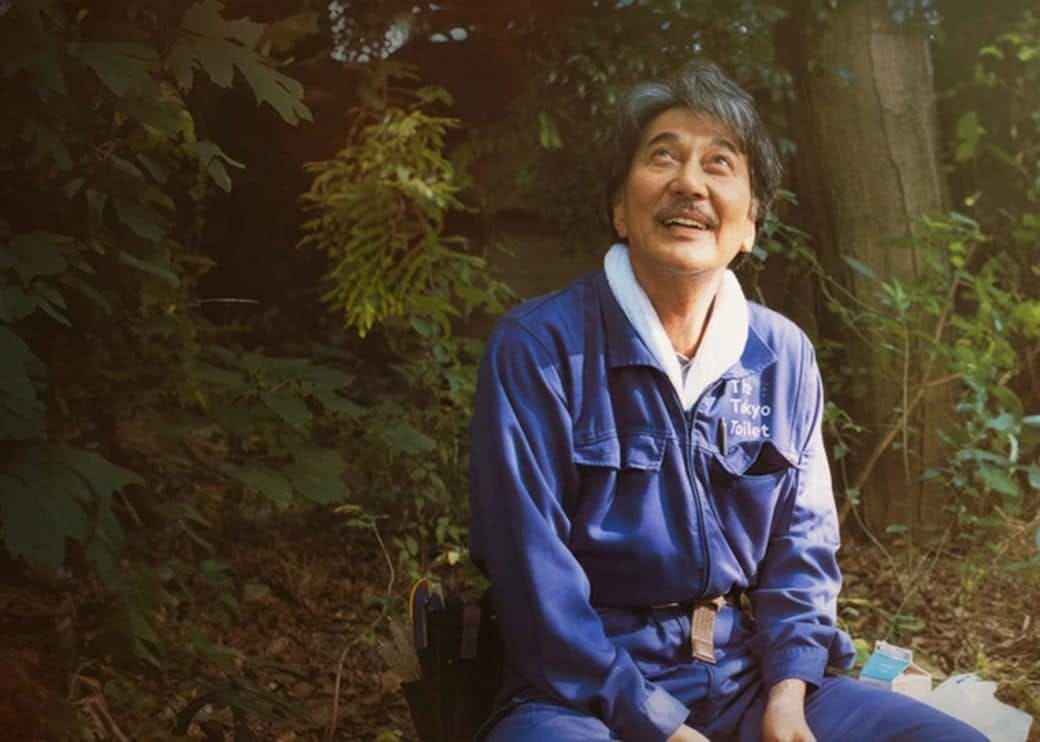
What he is chasing is komorebi, the Japanese word the film offers at its close for sunlight filtered through leaves. The pattern on the ground exists once and is gone, rearranged by the next gust or the next cloud. Hirayama seems to accept this more easily than most of us accept the shape of our working lives.
The five-year plan asks for the opposite.
It asks us to trace the light under a tree one spring and expect the shadows to fall in the same places five springs later.
For a long stretch of modern working life the request felt reasonable, because the trees grew slowly and the weather held.
A graduate could enter a profession and expect its basic tools to look familiar a decade later.
Now the canopy shifts every few months. New tools rewrite what a job consists of, and a careful plan drafted in January can find, by summer, that half its assumptions describe a world already gone. A plan this far ahead has become an act of imagination, whether we admit it or not.
Our rituals have not caught up. The interview question about where you see yourself in five years still gets asked in hiring rooms. Few people answer it honestly, because the honest answer sounds like a lack of ambition.
Career advice goes on selling decade-long templates in tidy columns, while the platforms hosting that advice redesign their products every quarter.
Whoever profits from our anxiety about the future is frequently also speeding the future up. Technology firms announce new models every season and then sell courses to keep pace with them. The coaching trade sits between the two and charges for reassurance. It is a neat arrangement, and the person clutching the plan pays at both ends.
Keats had a phrase for the capacity this moment demands.
In a letter to his brothers in December 1817, he described negative capability, the ability to remain with uncertainty “without any irritable reaching after fact & reason.”
He meant it as the mark of a great writer. Two centuries on, the same capacity has become a working requirement for anyone hoping to live sanely through the next decade.
The irritable reaching is precisely what the five-year plan so often is. We grab at titles and milestones because naming them feels like control. Imagination asks for a different posture. It pictures several possible futures and considers what sort of person could live well in any of them.
The wiser plan, then, looks more like Hirayama’s lunch hour than a spreadsheet. Return to the light typically and record what is actually there.
Keep the frames that tell you the truth and tear up the rest without grief. Hold a direction by the values and the people you want near, and leave the exact shape of the job blank until the light falls on it.
Hirayama also digs tiny seedlings from the shrine grounds and carries them home to grow among the plants he waters each morning. He cannot know what any of them will become, and he tends them anyway.
That is the plan worth writing now, a commitment to care with no drawing of the finished tree. Tomorrow the light will rearrange itself again, as it always has, and the shadows on the ground will be new by the time anyone thinks to look.
Thanks for reading!
This newsletter is free, but if you’re feeling generous, you can support my work by sharing it with a friend, buying me a coffee, or checking out more on Instagram.