


A friend makes videos.
She started because she loved teaching people what she had worked out about gardening, and her early films were long, meandering, and oddly specific to the strange plant problems she had solved herself.
They got modest views, and she did not mind. She was talking to the five people with that exact problem, helping them the way she had wished someone would help her.
Then one video caught the algorithm. Shorter, broader, a more clickable title, and suddenly a hundred thousand views. She was delighted, and she began to study. Thumbnails, lengths, and topics, all adjusted and adjusted again. The numbers climbed.
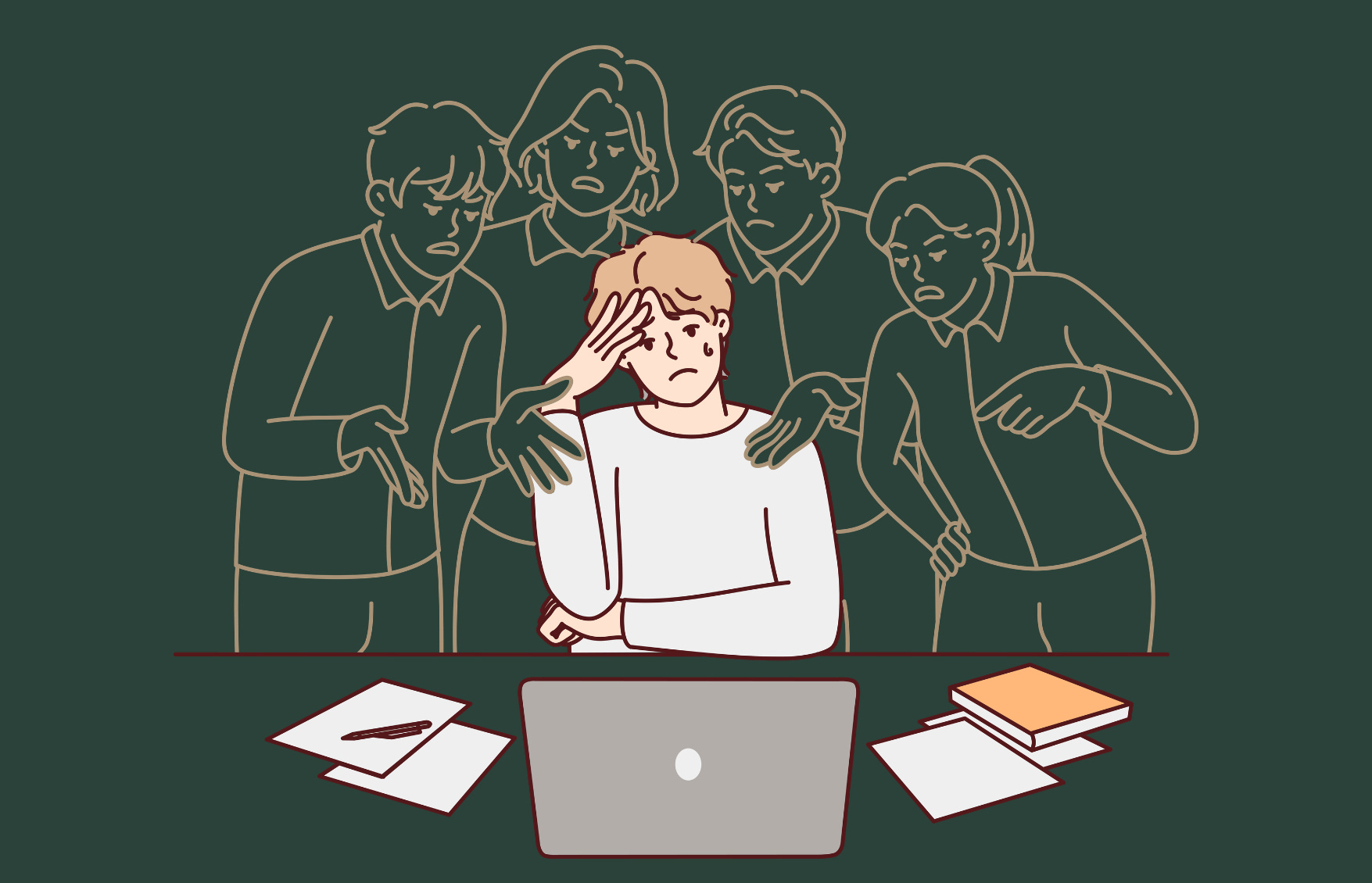
By every measure, she was succeeding. One day, she realized she was making videos for the algorithm rather than for the people with the strange plant problems.
She had become good at views and had quietly stopped being herself. The drift was so gradual she only noticed once she was already someone else.
We like to think we can keep both our intent and our reach, that the platform will amplify the work we would have made anyway, but the algorithm not only shapes how you present the work. It shapes what work feels worth making at all.
The pressure seeps in through the gap between what you see performing and the story you tell yourself about it. I am being accessible, you think, while becoming generic. I am learning what resonates while learning only what the platform promotes, which is not the same thing.
The trouble is that engagement and importance do not track each other. Something can be deeply meaningful and sink without a trace; something shallow can travel everywhere. The algorithm cannot tell the difference and was never built to do so.
So the feedback teaches you, fast and concretely, that this kind of thing works and that kind does not, and “works” comes to mean performed well, not mattered to the right person.
You grow more consistent and less interesting, gaining reach and losing voice, drifting always toward the middle where nothing alienates anyone.
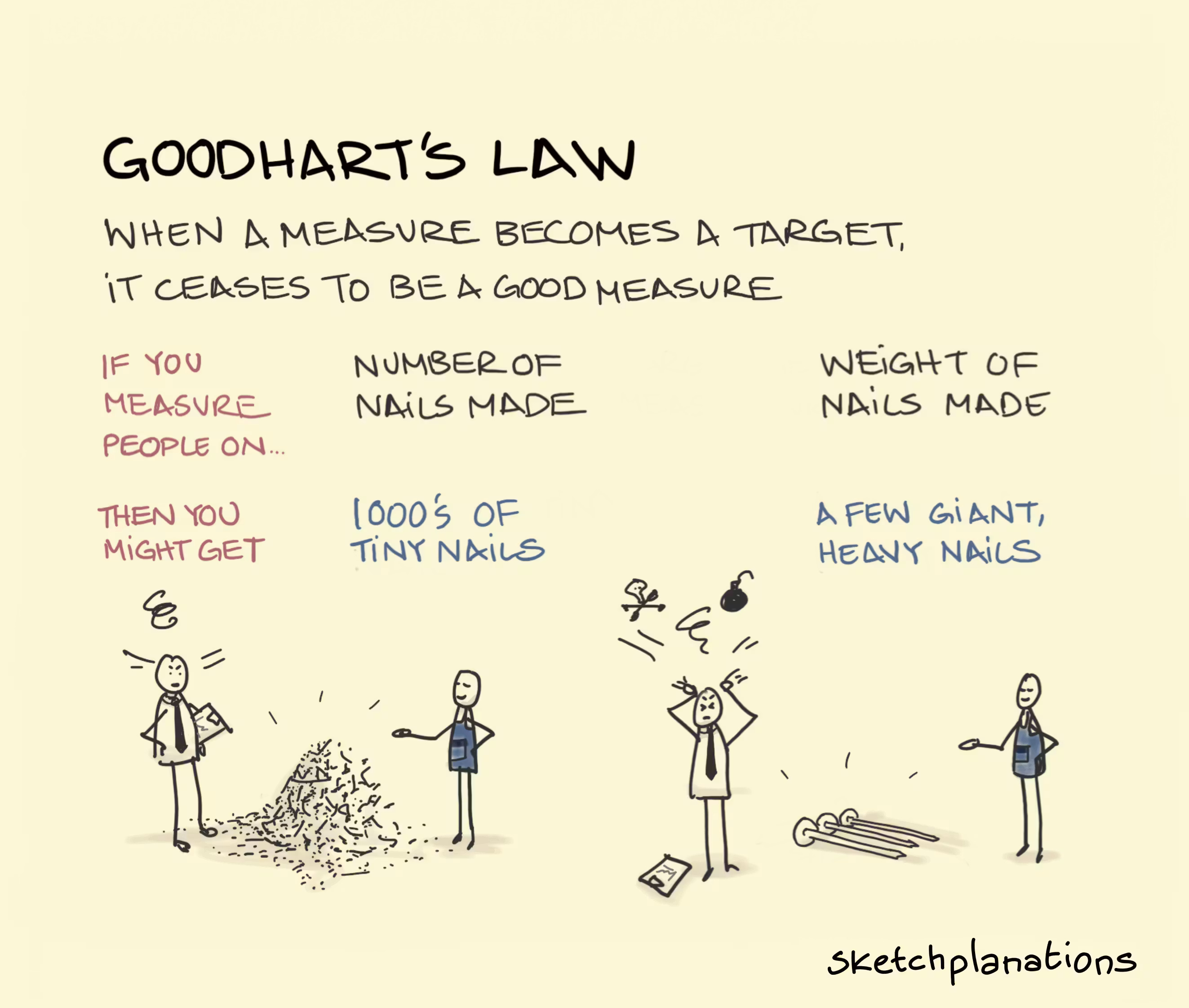
Goodhart's law names the trap exactly: when a measure becomes a target, it ceases to be a good measure. Views were once a sign that the work had reached someone.
Aim at them directly, and they stop telling you anything true.
So, when you feel the pressure to bend what you make, three questions are worth asking. Am I improving how I deliver the message, or changing the message to deliver it? Am I making this because it matters, or because I think it will perform?
And if the algorithm vanished tomorrow, would I still make this? The algorithm is a fine tool for reaching people and a terrible compass for deciding what is worth reaching them with.
Make the thing you want to make, then work out how to make it seem. Not the other way around.