


If you are in your twenties or thirties, I bet that you look at life through a different lens. I know, because that is where I sit. Here are a few things I think are happening to you.
You have started noticing things you’d walked past for years. The architecture of buildings. The way light changes throughout the day. The subtle cruelty in a joke you once thought harmless—the extraordinary effort behind something you’d always taken for granted.
Attention is a strange gift. Once you develop it, you can’t put it back.
Life becomes both more beautiful and more ugly when you really start looking.
The same attention that reveals the intricate beauty of a spider’s web also shows the plastic choking the lake. The awareness that makes you appreciate your parents’ sacrifice also reveals their limitations.
You can’t have one without the other.
When you pay attention to the barista making your coffee, you see the craft in it, the practiced movements, the small and gentle care taken. You also know the exhaustion in their eyes, the minimum wage economics, the way most customers don’t even look up from their phones.
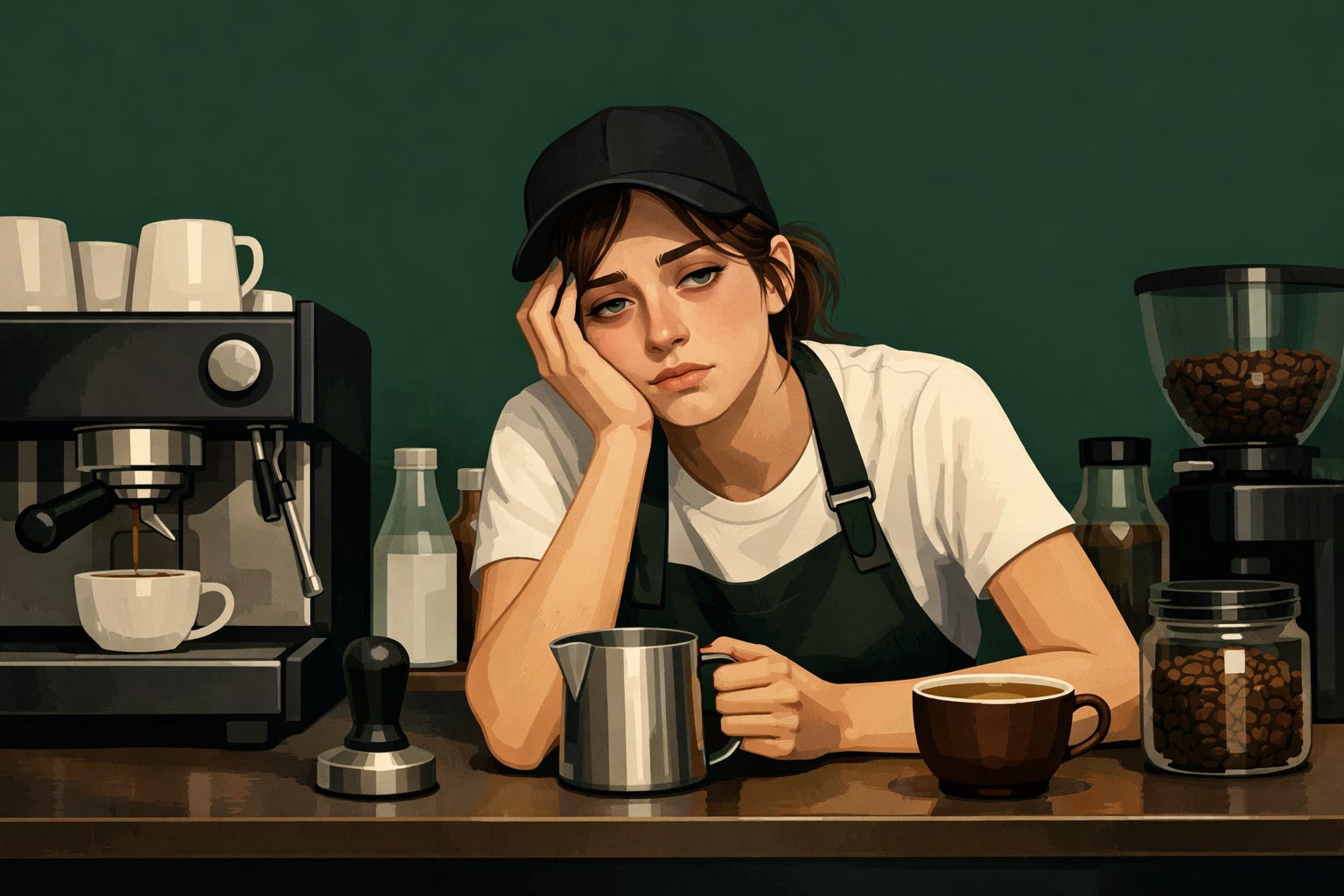
Both are true. Both are there. You weren’t looking before.
This is why some people choose unconsciousness. Not maliciously, but as protection. It’s genuinely easier to move through life half-asleep, registering only what’s necessary, filtering out everything else. The world feels simpler that way.
Simpler isn’t the same as better.
Because yes, once you start paying attention, you’ll see more suffering. You’ll notice the inequality you’d overlooked. You’ll recognize patterns of harm you’d been part of without realizing. You’ll see how much is broken, how much needs changing, how complicit we all are in systems that damage.
That awareness can be crushing if you let it, but you also get to choose where your attention lingers.
Not in denial or not in toxic positivity, but in genuine choice, because the same world that contains cruelty also contains extraordinary kindness. The same humanity that builds weapons also builds hospitals. The same attention that reveals ugliness also reveals grace.
You can notice both and still decide which one you feed.
When you pay attention to conversations, you hear the subtle put-downs and status games. You also hear genuine questions, the moments when someone really listens, and the vulnerability when someone shares something true. You get to decide which pattern you participate in.
When you pay attention to your city, you see the homeless crisis, the litter, and the systems failing. You also see the community gardens, the neighbors helping neighbors, the small acts of maintenance and care that keep things running.
Both exist. Your attention doesn’t create them, but it does amplify them.
This isn’t about ignoring problems. It’s about recognizing that where you place your sustained attention shapes your experience of being alive and, ultimately, what you contribute.
If you only ever look at what’s broken, you’ll become bitter and paralyzed. If you only ever look at what’s beautiful, you’ll become naive and useless. The skill is learning to hold both, to see clearly without drowning in despair. To notice the ugliness and still choose to create beauty. To see the cruelty and still practice kindness. To understand the darkness and still seek the light.
What happens when you pay attention long enough is this: you realize that beauty isn’t the absence of ugliness, and ugliness isn’t the absence of beauty. They co-exist, always. They will always co-exist.
The tree is both beautiful and dying. The relationship is both loving and flawed. The city is both inspiring and unjust. The person is both kind and selfish. You are both capable and broken.
All of it, simultaneously.
So yes, start paying attention. Notice more. Look closer. See what’s actually there instead of what you assume is there, but then, consciously, deliberately, choose what you want to cultivate.
Not what you pretend exists, but what you actively nurture with your attention, your time, your energy. Remember that the power of attention isn’t seeing what is, but nurturing what grows.
Whatever you feed your focus gets stronger. In your mind, in your life, in the world around you.
Pay attention to everything. Then choose carefully what you water.
You look in minds, don’t you!!
Thank you so much for sharing! It reminds me of the story: Which wolf will you feed?