


Most people build resilience the wrong way because they do so under the wrong conditions.
The assumption is that it is something you prepare for: that if you practice handling small setbacks carefully, in controlled circumstances, you will be ready when the larger ones arrive. It is a reasonable theory, but also mostly false.
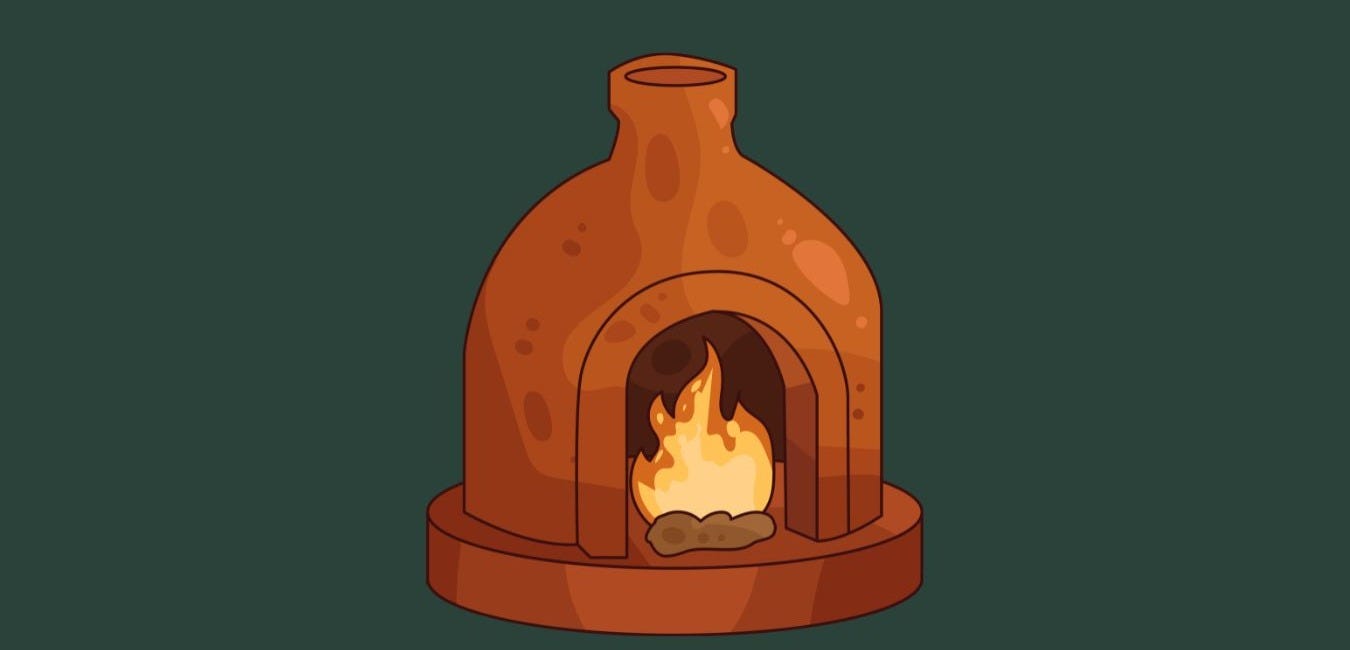
What actually forges resilience is not preparation but the kiln.
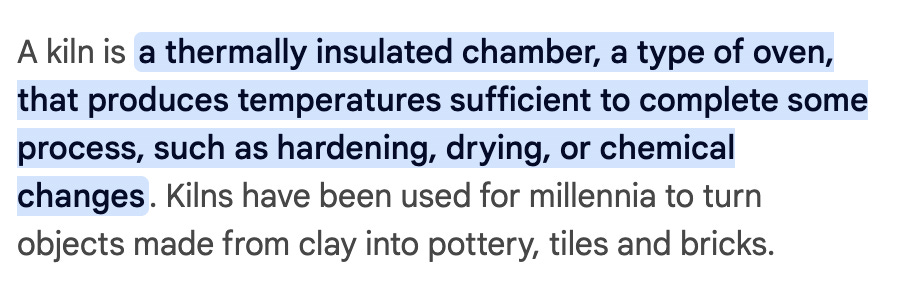
It’s the heat you did not choose and cannot regulate, which either hardens you or cracks you completely.
In the year I lost my job, my relationship ended, and a close friend received a diagnosis that changed the shape of everything, I cracked and stopped creating.
Spent weeks convinced I had lost whatever I once had. The careful structures I had built—routines, beliefs, and conditions I told myself were necessary- fell away entirely.
The parts that shattered were always the contingent ones—the ego investment in appearing capable and the belief that I could only work from confidence.
The need for circumstances to cooperate before I could begin.
What remained was harder and smaller—less surface area for damage.
Simone Weil made a distinction between suffering and affliction, the latter being the kind of force that does not merely hurt but uproots. It destroys the attachments and stories the self has built around itself. What she was describing, I think, is what the kiln actually does. It does not teach you lessons. It eliminates what was optional.
Before a crisis, you carry a great deal that feels essential: concern for your reputation, a need for approval, an attachment to particular outcomes, and stories about what you are and what you are incapable of. Crisis makes these impossible to maintain.
You cannot worry about how you appear when you are simply trying to get through the day. What remains after that elimination is more resilient, not because it is stronger, but because it is less.
This is not the version of resilience anyone wants. We prefer the narrative of deliberate preparation, of gradual strengthening through controlled practice. It is cleaner. It suggests the worst can be avoided if you train well enough beforehand.
The reality is that you discover your true capacity only when comfortable conditions are entirely withdrawn. You thought you could not write without confidence. Crisis shows you that you can write from desperation, from confusion, from grief. The work is not worse for it. Often, it is more honest.
The person who emerges from the kiln is not brave, as they did not choose endurance. They discovered, through necessity rather than decision, that the core persists when everything built in comfort is stripped away. That the actual reason they create—the drive itself—survives the loss of every condition they thought surrounded it.
I would not decide on a crisis again, but I cannot pretend that what came through it was not more durable than what went in.
Not because I learned courage, but because I learned that I could be afraid and continue.
Not because I became more confident, but because I found that confidence was optional.
The kiln does not make you something new but removes what was never really you to begin with.