


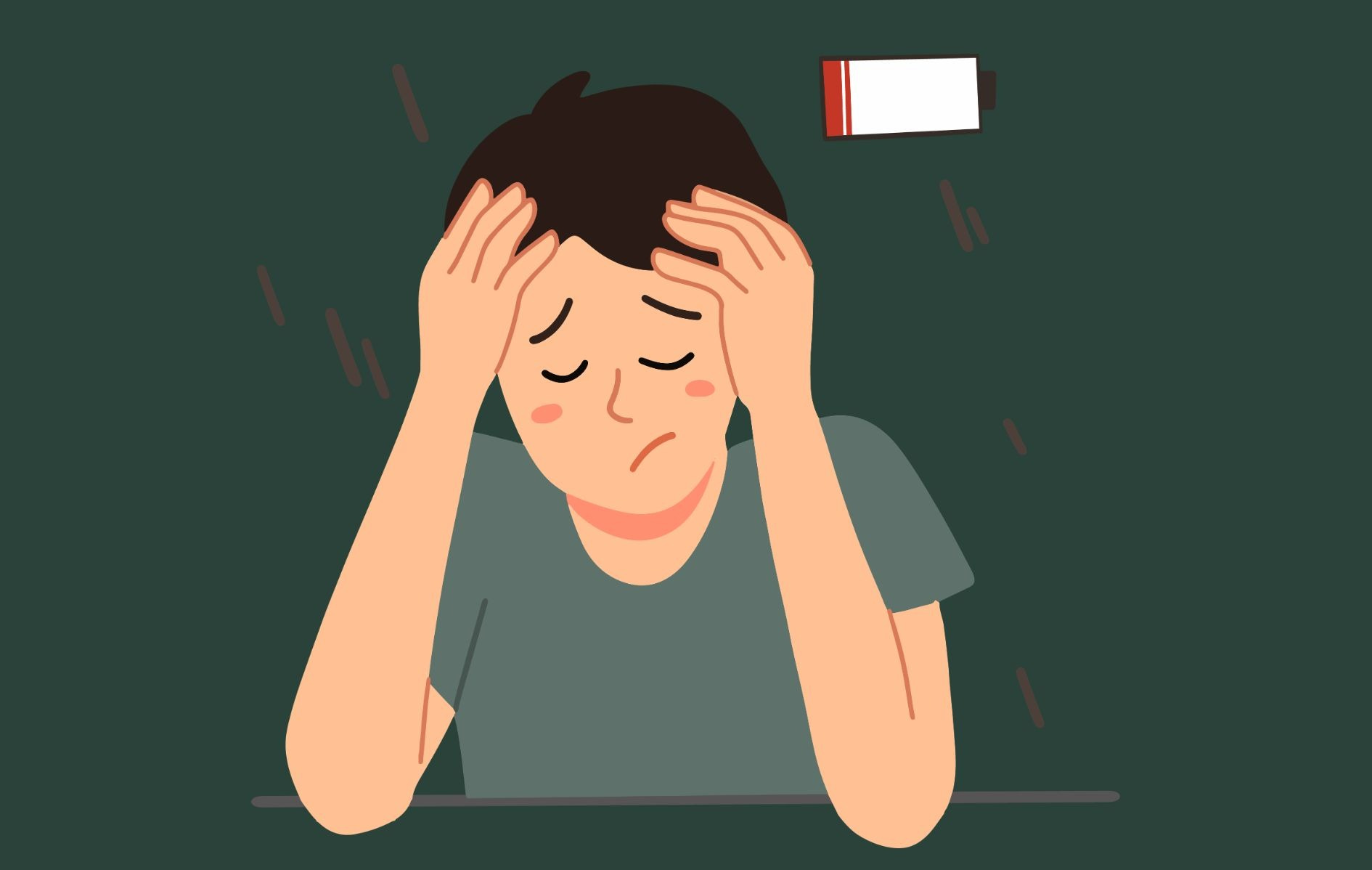
I used to think creative work happened in my mind and that the body was only the vehicle that carried my brain to the desk and the hands that typed out what it produced.
Then I started noticing patterns I could not explain. Some mornings, the words arrived almost on their own. On others, every sentence had to be forced out past a tight jaw and shallow breath: same mind, same skill, different body.
I had been treating the tension as a distraction to push through. It was not a distraction from the work. It was setting the terms of the work. When my chest was tight and my muscles braced, I could still edit, resolve, and tidy.
What I could not do was generate, wander, or imagine. The expansive thinking was not on offer. When the shoulders dropped and the breath went deep, the same problem that had defeated me the day before came loose without effort.
We rarely accept this because it is not the answer we want. When the work turns difficult, we assume the trouble is cognitive and reach for cognitive remedies: sharper focus, firmer discipline, and harder thinking.
We treat the body as irrelevant so long as it is neither in pain nor exhausted, as though creativity lived upstairs in the mind while the body waited in the car.
But emotion does not stay abstract. It takes up residence in tissue. Anger sets in the jaw, anxiety closes the chest, and dread settles into the limbs as a weight, and those physical states open or shut all kinds of thoughts.
You cannot range widely while your diaphragm is locked; the shallow breath of anxiety narrows the blood to the brain and trips the old threat systems that pull attention into a tunnel. The mind cannot play while the body is braced to fight or flee, because that is a different animal with different powers.
Merleau-Ponty put it more plainly than any productivity manual could. The body, he wrote, is “our general medium for having a world.”
He meant that we do not perceive or think from some clean vantage above the flesh. We think through it, and its condition is the condition of our access.
The writer who cannot begin a draft is not blocked in the head. The block is in the held breath and the resistance to the first keystroke, arriving in the body before it ever becomes a thought worth naming.
So the workspace was never the desk or the room. It was the body, and the body's state decided what work the day would permit. The cruelty is that we ignore this exactly when it matters most.
While the work flows, we never think about our shoulders. The moment it stalls, we resolve to think harder, which is to bring mental effort against a physical problem and lose.
The truer move is quieter. When nothing comes, check the body before the mind. Find where the tension is sitting, notice how shallow the breath has gone, and release the jaw before reaching for a better thought.
The answer that would not appear at a tense desk often turns up on a walk, and not because the walking buys more thinking time. Walking changes the state of the body, and with it, the range of what can be thought.
Different states suit different work, and most of us spend our effort fighting that fact rather than using it. We try to invent while braced in tension and to do fine, exacting work while restless and charged, overriding the body with willpower until both the body and the work are spent. The alternative is humbler.
Either bring the task to the state you are already in, or intentionally change the state to make room for the task the day requires.
So when the work feels stuck, the question is not only what to think. It is what the body is doing and what it is, therefore, willing to let you reach.