


Epictetus said that men are disturbed not by things, but by the views they take of things.
The natural response is: yes, obviously. We all know our perspective matters.
If we are asked to actually live it, and suddenly it’s not obvious at all.
This is because living means something uncomfortable: accepting that your immediate emotional reaction might be mistaken. That the anger you feel so certain about might be based on a misunderstanding. That the hurt that feels so justified might be your own creation.
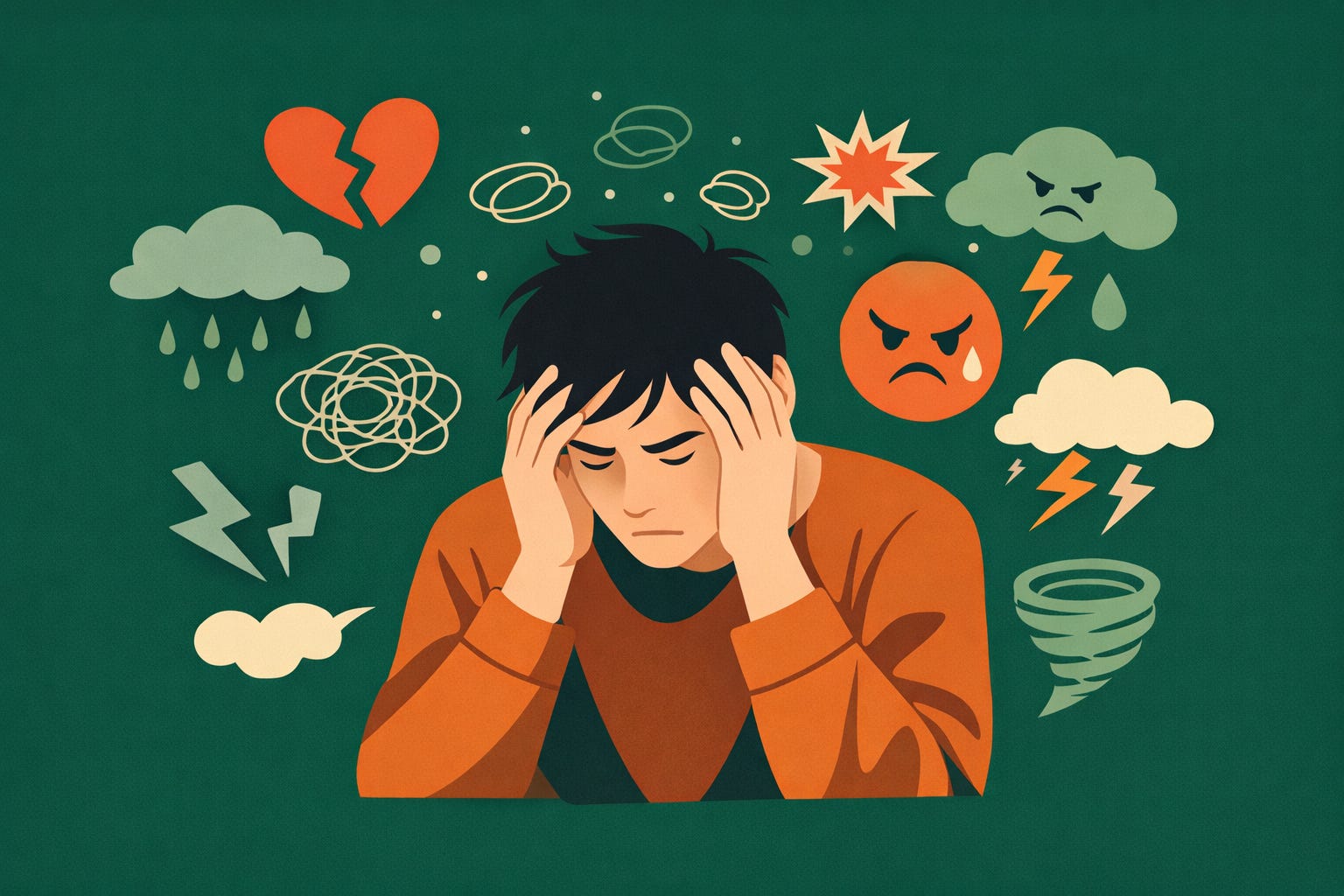
This requires humility that most of us don’t have.
We trust our emotions implicitly. When we feel strongly about something, we assume we have good reason. The feeling itself becomes evidence that we’re right. You wouldn’t be this upset if there weren’t something to be upset about, would you?
Actually, yes. You would.
You’ve been furious about things that turned out to be miscommunications. You’ve been devastated by rejections that later felt like blessings. You’ve been sure about utterly wrong interpretations. Your emotional conviction has been mistaken before. It will be mistaken again.
We need to develop the humility to question even our most convincing emotions.
Not to dismiss them, but to examine them. To ask: what am I assuming right now? What story am I telling that’s creating this feeling? Could I be wrong about what’s happening?
This is different from gaslighting yourself. You’re not denying your experience; you’re questioning your interpretation of it.
Someone doesn’t respond to your message. You feel anxious, then hurt, then angry. Those feelings are real, but the interpretation underneath them, that they’re ignoring you, that you don’t matter to them, that this confirms your worst fears about yourself, that might not be real at all.
Emotional certainty is not wisdom
The humility is in admitting: I feel strongly about this, and I might still be wrong about what it means.
Most of us do the opposite. We let our emotional intensity validate our interpretation. The stronger we feel, the more certain we become. We gather evidence that supports our story and ignore anything that contradicts it.
We’d rather be consistently upset than occasionally wrong.
Emotional growth asks something more complicated: that you hold your reactions lightly enough to examine them. That you stay curious about your own mind even when it’s screaming at you.
This doesn’t mean you shouldn’t trust yourself. It means recognizing that your first reaction is exactly that: first. It’s automatic, conditioned by your history, shaped by your wounds. It’s information, but it’s not necessarily the truth.
Think about the last time you were certain you were right about something, only to learn later you’d misunderstood completely. The feeling was real; the interpretation was wrong.
Now think about how often that might be happening without you ever finding out.
How many relationships have suffered because you were sure about someone’s intentions and never questioned your certainty? How many opportunities did you miss because you were sure something wouldn’t work? How much time have you spent suffering over interpretations that were never accurate?
The Stoics practiced something radical: assuming their initial take on things might be incomplete or mistaken, not as self-doubt, but as wisdom.
When you feel that familiar surge of anger or hurt or anxiety, pause. Not to suppress it, but to investigate it. What am I telling myself right now? What assumptions am I making? What would I need to believe for this feeling to make sense? Is that belief definitely true, or just familiar?
This is uncomfortable work. It’s easier to be right than to be curious. It’s easier to blame external circumstances than to examine your internal reactions.
Humility offers freedom.
Freedom from being held hostage by your first interpretation. Freedom from suffering over stories you invented. Freedom to respond to what’s actually happening rather than what you’ve decided is happening.
My takeaway: Treat your emotional reactions as hypotheses rather than conclusions.
Feel the anger, then ask: what else could this mean? Feel the rejection, then wonder: what am I assuming? Feel the certainty, then question: how might I be wrong?
This doesn’t make you weak or uncertain. It makes you flexible. It makes you someone who can navigate reality rather than your distorted version of it.
The views we take of things aren’t just interpretations. They’re choices, though we rarely recognize them as such.
Next time, ask yourself this: what if I’m wrong?