


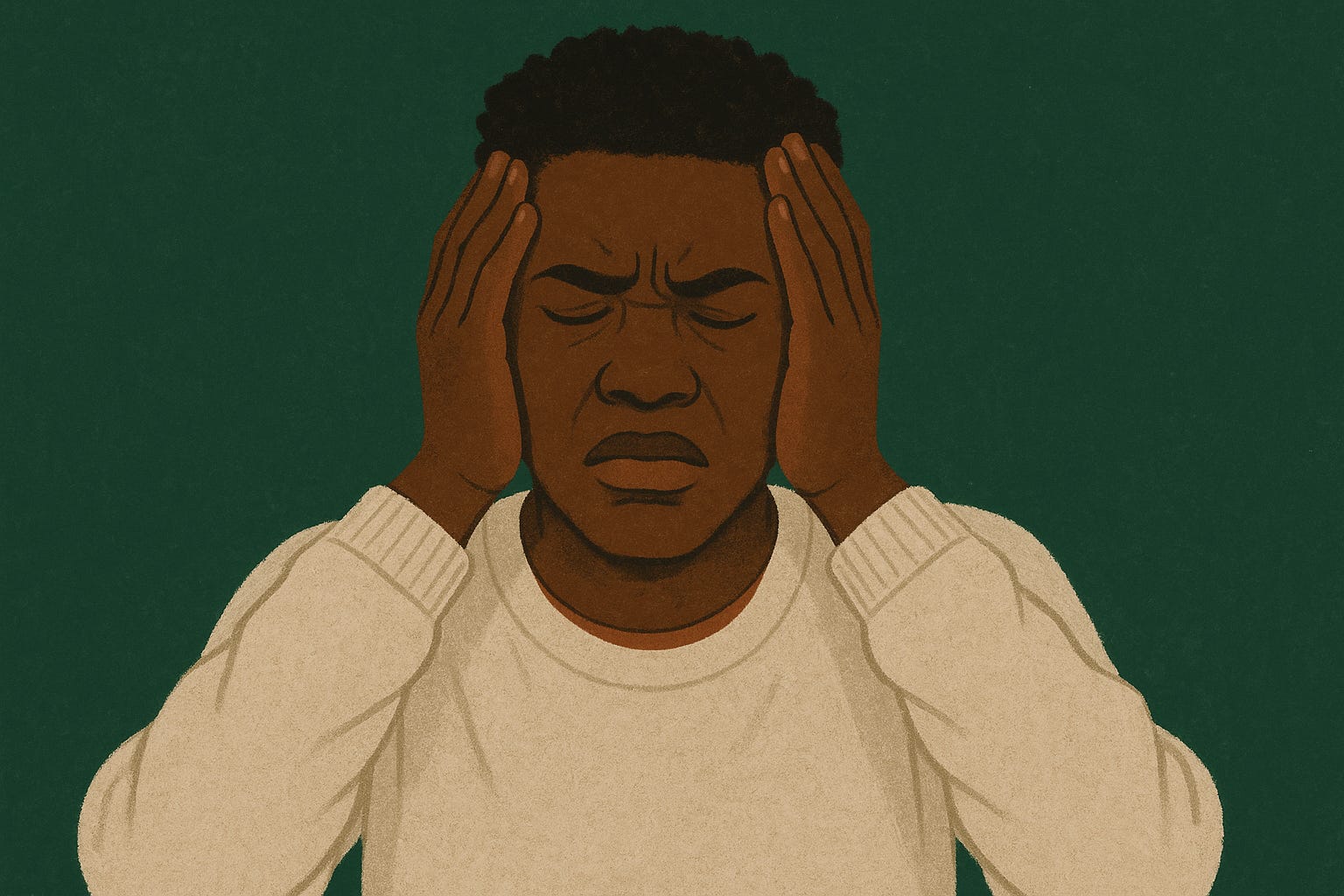
You are driving home, and suddenly you’re in tears, and you don’t know why. Your partner says something mild, and you find yourself absolutely furious, disproportionately angry, and you can’t explain it to them because you can’t explain it to yourself.
You’re doing fine, and then you see something on your phone, and you’re spiralling into anxiety, and you can’t articulate why this particular thing sent you into a state.
Feelings don’t make sense. Not in the way we expect them to. We think emotions are simple things; you feel happy or sad, angry or calm.
You feel them, and you know why you’re feeling them. You can trace a line from the event to the emotion. It’s orderly. It’s logical.
But that’s not how feelings actually work.
The neuroscientist Lisa Feldman Barrett has done fascinating research on emotions. She’s found that emotions aren’t universal responses to universal triggers.
They’re culturally constructed. They’ve learned. Your brain predicts them based on experience. And crucially, they’re often inaccurate.
Your brain is constantly making predictions about what you’re feeling and why. It’s filling in gaps with narratives it’s already constructed. And most of the time, those narratives are wrong.
You’re crying in the car, and you think it’s because of something specific. But actually, you’re tired. You’re under-caffeinated. You passed a person who looked like someone you lost years ago. You heard a song that reminds you of an old relationship.
Your nervous system is running on fumes, and the tiniest thing triggered everything you’ve been holding back.
Your brain wants to make sense of this, so it constructs a story. This one thing must be why I’m crying. But usually, the thing it points to is almost random. It’s just the thing that happened to be present when your nervous system finally broke.
And then you believe that story. You think, oh, I’m crying because of that. I’m angry because of that.
“Anxiety is love’s greatest killer. It makes others feel as you might when a drowning man holds on to you.” — Anaïs Nin
I’m anxious about that. And you spend all your energy dealing with the surface story when the actual thing that needs attending to is underneath. It’s the accumulation.
It’s the depletion. It’s the thing you haven’t processed from months ago.
The psychiatrist Daniel Siegel talks about the difference between the top and bottom of the brain.
The bottom of your brain, your limbic system, your reptilian brain, is where emotions originate. It’s fast.
It’s reactive. It doesn’t do nuance. It just screams: danger! Sadness! Anger!
The top of your brain, your prefrontal cortex, is where reasoning happens. It’s where you make sense of things.
It’s where you can look at what your bottom brain is screaming and go, hmm, OK, but let’s think about this.
But here’s the problem: the bottom brain is faster. And when you’re emotional, the connection between the top and bottom of your brain is actually weakened.
You literally can’t access your reasoning while you’re flooded with feeling. You can only access your feelings.
Which means you make decisions based on feelings without the context. You say things you don’t tell.
You leave situations you actually want to stay in. You spiral over things that don’t deserve it. And then later, when your top brain comes back online, you realise what you did, and you’re appalled at yourself. But by then, the damage is done.
This is why feelings are complicated. Because they’re not accessible to reason whilst you’re having them.
You can’t think your way out of an emotion. You have to feel it first. You have to let it move through you. And only then, once it’s passed, can you make sense of it.
The psychologist James Gross calls this “emotional regulation”, and he’s found that the most effective way to regulate emotions is not to suppress them or fight them.
It’s to label them. It’s to acknowledge them. It’s to be curious about them rather than critical.
Because what makes feelings harder is not the feelings themselves. It’s the judgment about the feelings.
You’re anxious, and you think, “I shouldn’t be anxious.” I should be able to handle this. Other people don’t get this nervous. Something is wrong with me.
And now you’re not just anxious. You’re worried about your anxiety. You’re scared of the fear.
You’re angry at yourself for being angry. And these layers of emotion on top of emotion until you’re completely confused about what you actually feel.
The poet Rainer Maria Rilke wrote, “Be patient toward all that is unsolved in your heart and try to love the questions themselves.”
And he was talking, in part, about feelings. About the capacity to sit with confusion without needing to resolve it into understanding immediately.
Most of us don’t have that capacity. We want to know why we feel what we feel. We want to fix it.
We want to feel better. And that urgency to feel better, to resolve the confusion, actually makes everything more complicated.
Feelings don’t work on the schedule you want them to. You can’t decide to feel happy. You can’t logic yourself into calm. You can’t bargain with anxiety. You can’t argue with grief. You can only feel these things and wait for them to change.
And sometimes they don’t change for a long time.
The therapist Harriet Lerner discusses how we often want to skip past the hard feelings to resolve.
We want to forgive quickly so we don’t have to sit in anger. We want to be fine so we don’t have to sit in sadness. We want to feel brave so we don’t have to sit in fear.
But the sitting is the point. The sitting in the difficult feeling, the allowing of it, the bearing of it, that’s where transformation happens. Not because the feeling changes into something else. But because you change your relationship to it.
You stop fighting it. You stop judging yourself for having it. You stop trying to be fixed. And somewhere in that acceptance, the feeling loses its power. Not because it goes away. But because it’s no longer this thing you’re resisting. It’s just something that’s there. Something you’re feeling.
And that’s bearable in a way that fighting it isn’t.
The confusion that feelings create is so often about the story you’re telling about them. You’re sad, and you think it means you’re broken.
You’re angry, and you think it means something is wrong. You’re scared, and you think it means you shouldn’t do the thing you’re afraid of.
But feelings are just information. They’re your nervous system’s way of telling you something.
Sometimes that information is helpful. Sometimes it’s garbage. But it’s information, not direction.
You can be scared and do the thing anyway. You can be sad and still function. You can be angry without acting on the anger. You can be confused about your feelings and still move forward.
But we treat feelings like they’re instructions. Like if you feel scared, you must not do it. If you feel sad, you must be in trouble. If you feel angry, you must act on it. And we end up hostage to our own emotional reactions.
The psychologist Brené Brown talks about shame, which she distinguishes from guilt. Guilt is, I did something bad. Shame is, I am bad. And most people add shame on top of their original feelings.
You feel anxious, and then feel ashamed for being nervous. You feel depressed, and then you feel shame about being depressed. You feel jealous, then feel ashamed of it.
And the shame makes everything more complicated. Because now you’re not just experiencing the feeling. You’re experiencing it in isolation. You can’t talk about it.
You can’t be honest about it. You can’t get support for it because you think the feeling itself means something is wrong with you.
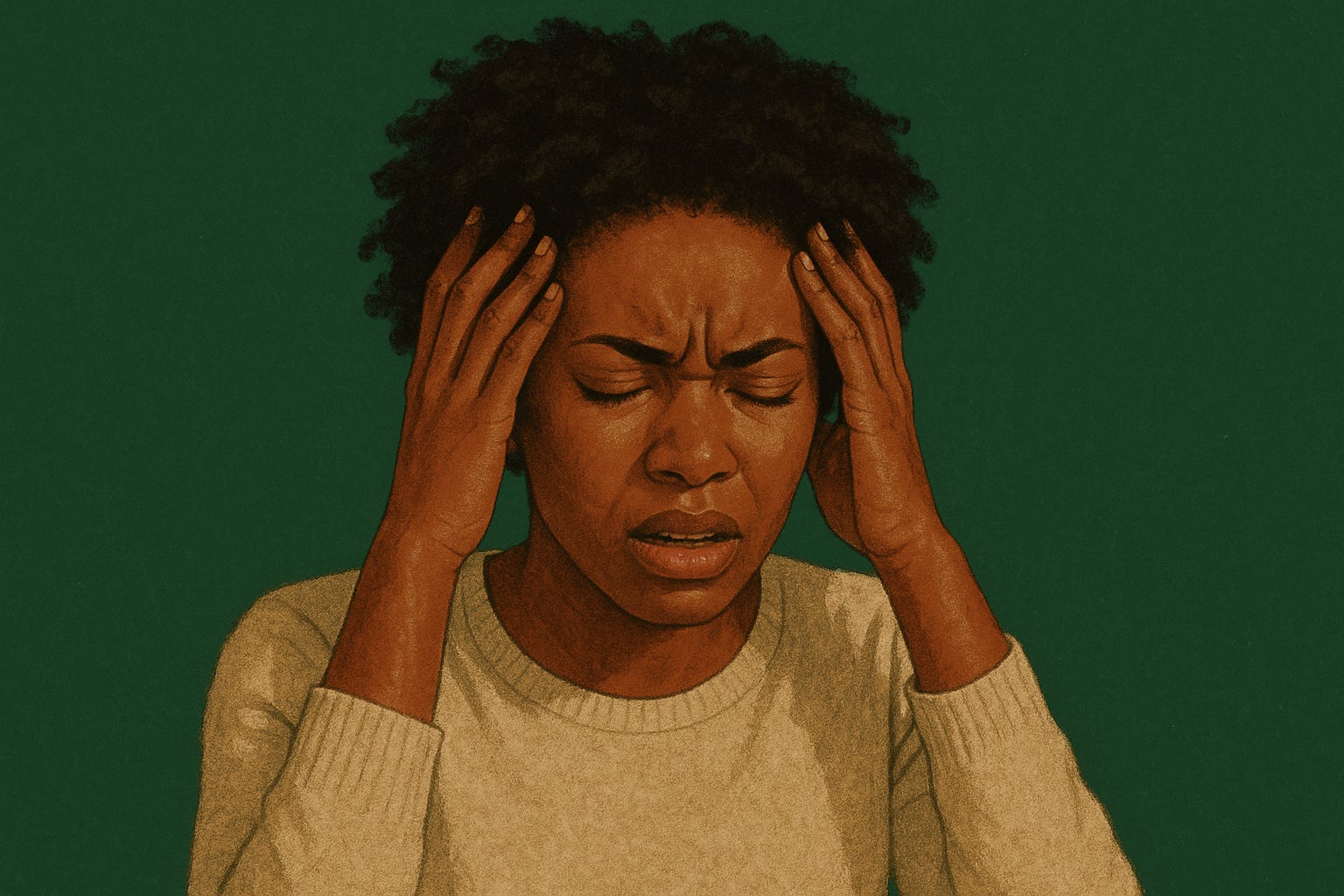
But feelings are just part of being human. They’re not good or bad. They’re not right or wrong. They just are.
The confusion comes from expecting them to make sense. From expecting them to be proportional to the thing that triggered them. From expecting your feelings to align with your values. From hoping to understand yourself.
But you’re not supposed to understand yourself. Not completely. You’re far too complex. You contain multitudes. You contain contradictions.
You can love someone and be angry at them. You can want something and be terrified of getting it. You can know something logically and feel the opposite emotionally. You can be fine one moment and broken the next.
And that’s not a failure of your reasoning, your personality, or your stability. That’s just what it means to be human.
So the tricky thing about feelings isn’t the feelings themselves. It’s accepting that you won’t fully understand them. It’s stopping the endless attempt to make them make sense. It’s sitting with the confusion instead of trying to resolve it.
Because the confusion is where you actually learn. Not where you figure everything out. Where you know that you’re more than your emotions.
Where you learn that feelings can be wrong. Where you know that you can survive feeling things that seem unbearable.
The confusion is hard. But the clarity you get from accepting the confusion, that feelings don’t have to make sense, that they don’t define you, that you can feel them and still choose how to act, that clarity is worth the confusion.
Thank you for reading. Your time and attention mean everything. This essay is free, but you can always buy me coffee or visit my shop to support my work. For more thoughts and short notes, please find me on Instagram.