


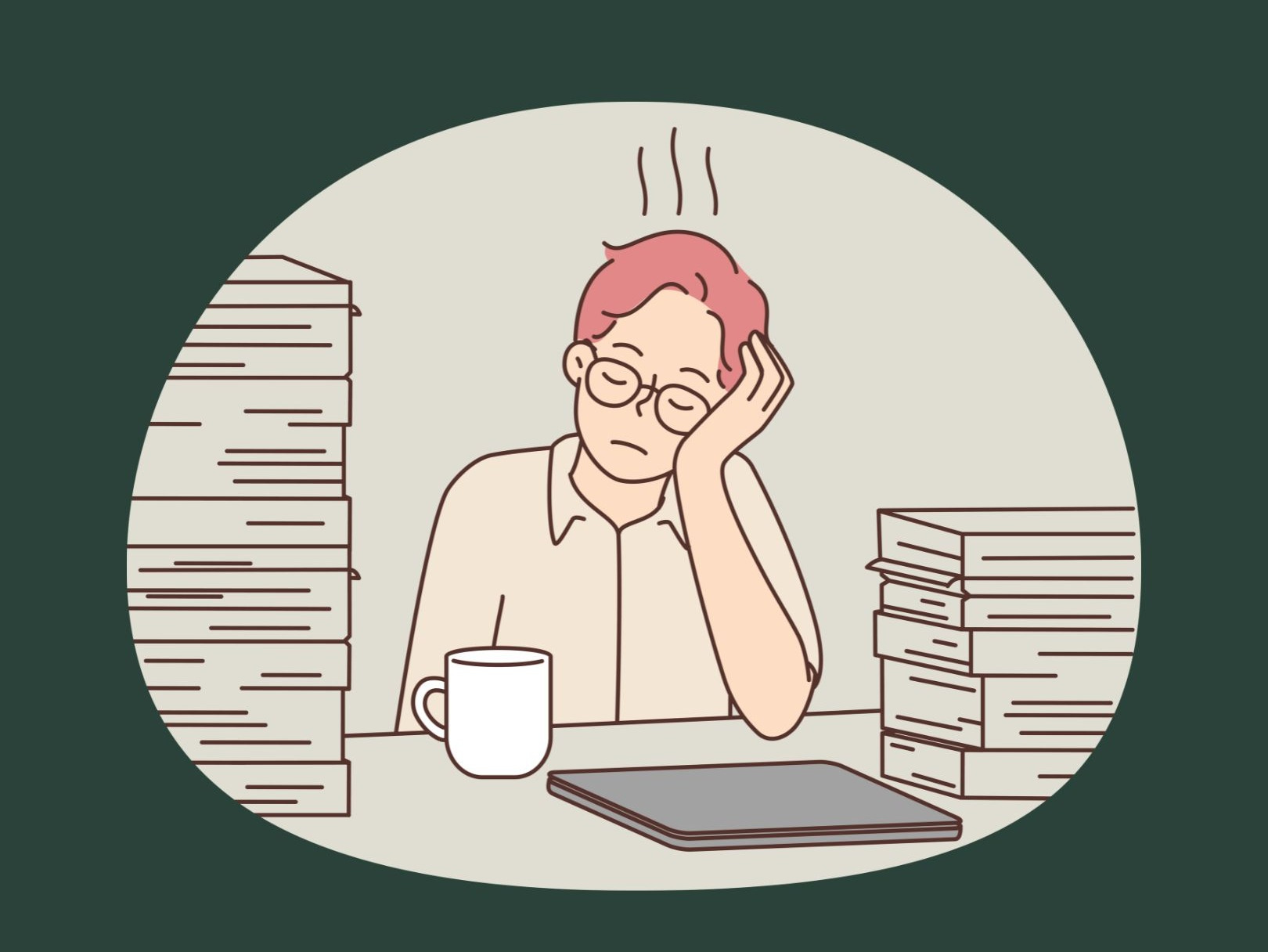
I burned out spectacularly at twenty-seven.
It was not from working too many hours, though I did, not from taking on too much, though I had. I burned out because I was managing my time but ignoring my emotional energy.
I’d schedule my days perfectly. Morning for deep work. Afternoon for meetings. Evening for admin. Every hour allocated, every task assigned its slot.
What I didn’t track: which tasks depleted me emotionally and which restored me. Which interactions left me energized, which left me hollow, and which types of work use different fuels from others?
I would spend a morning on difficult conversations, an afternoon on creative problem-solving, and an evening processing heavy emotional content. Entirely different tasks on my calendar but an identical drain on my emotional reserves.
Eventually, I had nothing left.
Not time, of course; I had hours in the day, but energy, the fundamental capacity to care, to engage, to show up as anything more than an exhausted shell going through the motions.
When we think about preventing burnout, we focus on workload, hours, and boundaries. We want to be told to work less, delegate more, and protect our time.
Those things help, but they’re not the actual problem.
You can burn out working reasonable hours if you’re emotionally overdrawn. And you can sustain intense periods if you’re managing emotional energy well.
Burnout isn’t about time but about running an emotional deficit for too long.
We romanticize constant output because it looks productive.
The entrepreneur who answers every email, takes every meeting, and never says no—the creative who produces daily, regardless of how they feel. The professional who maintains perfect reliability, is always available, and is always responsive.
But watch what happens to people who produce without considering emotional cost: they don’t sustain, they crash, or they continue functioning while becoming increasingly hollow, technically present but emotionally absent.
You can’t withdraw indefinitely without deposits, not from your bank account, not from your emotional reserves either.
Understand that different outputs have different emotional costs.
Not all work is equally expensive emotionally. Some tasks energize you. Some deplete you. Some are neutral.
Leading a workshop might invigorate one person and exhaust another. Writing might be restorative for someone and draining for someone else. Client calls might energize you in the morning and deplete you in the afternoon.
The specific costs are individual, but the principle is universal: you need to know what actually costs you emotionally, not just what costs you time.
I learned I could write for hours without feeling emotionally depleted. But thirty minutes of conflict resolution left me exhausted; both were “work.” Only one was expensive.
When I started tracking emotional cost, not just time cost, I could plan sustainably. Difficult conversation in the morning, followed by writing to recover. Never stacking three emotionally expensive tasks back-to-back just because I had the time.
Recognize emotional depletion before it becomes burnout.
Burnout doesn’t arrive suddenly; it accumulates.
You ignore the early signs because you’re still functioning, still producing, still meeting expectations, but emotional depletion shows up before total collapse: cynicism creeping in, caring less about quality, feeling detached from work that used to matter, irritability increasing, recovery taking longer.
Those are indicators that you’re running a deficit.
Most people notice these signs and push harder, assuming they need more discipline. That accelerates burnout. The solution isn’t more effort. It’s strategic recovery.
When you notice emotional depletion, you don’t necessarily need a vacation. You need to shift the balance between withdrawal and deposit. Maybe that’s a vacation.
Possibly it’s just doing more things that restore you and fewer things that drain you this week.
Build emotional deposits into your schedule, not just around it.
People treat restoration as what you do when work is done. Evening. Weekends. Vacation. The reward after productivity.
But if you’re only depositing emotional energy outside of work, and work consistently withdraws it, you’re always running slightly behind. Eventually, significantly behind.
Sustainable output requires building deposits into your work rhythm, not just around it.
That might mean starting your day with something that energizes you before tackling draining tasks. Interleaving restorative work with depleting work. Protecting time for projects that feed you emotionally, not just projects that pay you.
I started blocking early Friday mornings for work I find intrinsically satisfying.
The work makes me remember why I chose this.
Those 3 hours deposit more emotional energy than an entire weekend of rest after five days of pure depletion.
Distinguish between rest and restoration.
Rest is stopping; restoration is replenishing.
They overlap but aren’t identical. Sometimes rest restores you. Sometimes you rest but don’t actually restore emotional reserves because you’re resting anxiously, mentally still churning through work problems.
Sometimes restoration isn’t restful; it’s an engaging activity that energizes you even though it requires effort.
Playing music might not be “rest,” but it restores someone emotionally. Intense exercise isn’t rest but leaves some people feeling renewed. Deep conversation requires energy but deposits more than it withdraws for people who find connection restorative.
Prevention requires both actual rest when you’re depleted and regular restoration even when you’re not.
Audit your emotional budget, not just your time budget.
Time management asks, “Do I have hours for this?”
Emotional energy management asks, “Do I have the reserves for this?”
Sometimes the answer is different.
You might have time for three meetings, but not the emotional capacity for them. You might not have time for a walk but desperately need the emotional restoration it provides.
When you’re preventing burnout, track what you’re spending emotionally. Then ask honestly: am I depositing enough to sustain this? Not theoretically. Actually.
If you’re spending more than you’re depositing consistently, you’re on a path to depletion. Doesn’t matter if you’re working reasonable hours. You’re still heading toward burnout.
The experienced professional still manages emotional energy carefully. The successful creator still protects restoration time. Because they’ve learned that sustainable output isn’t about maximum productivity, it’s about balanced emotional accounting.
When you feel burnout approaching, don’t just try to work less.
Look at your emotional balance.
What’s costing you more than you realized? What could restore you that you’re not doing? Where are you withdrawing without depositing? What do you need to stop, and what do you need to start?
Burnout prevention isn’t about working less hard. It’s about spending your emotional energy as carefully as you spend your money.
Both run out if you never check the balance.
Thank you for reading. Your time and attention mean everything. This essay is free, but you can always buy me coffee or visit my shop to support my work.
For more thoughts and short notes, please find me on Instagram.