


You see someone, and something shifts.
The world doesn’t change, but suddenly you’re aware of it differently. You notice the way they laugh. The particular curve of their attention. The way they make space for you in a room full of people. And you think: this one. This is the one.
And for a while, that feeling sustains you. The certainty that this person is somehow essential, that your life has been moving towards them, that the universe has organised itself so that you’d meet.
It feels like fate. It feels like you’ve been lucky enough to stumble upon the answer to a question you didn’t know you were asking.
But then, and this is the part no one prepares you for, you have to choose them. Every day. Again and again.
Choosing is exhausting in a way that stumbling isn’t.
Because what we don’t talk about is that loving someone isn’t something that happens to you. It’s something you do. It’s an action. It’s a series of choices stacked on top of each other like bricks. Bricks are heavy, and sometimes you get tired of carrying them.
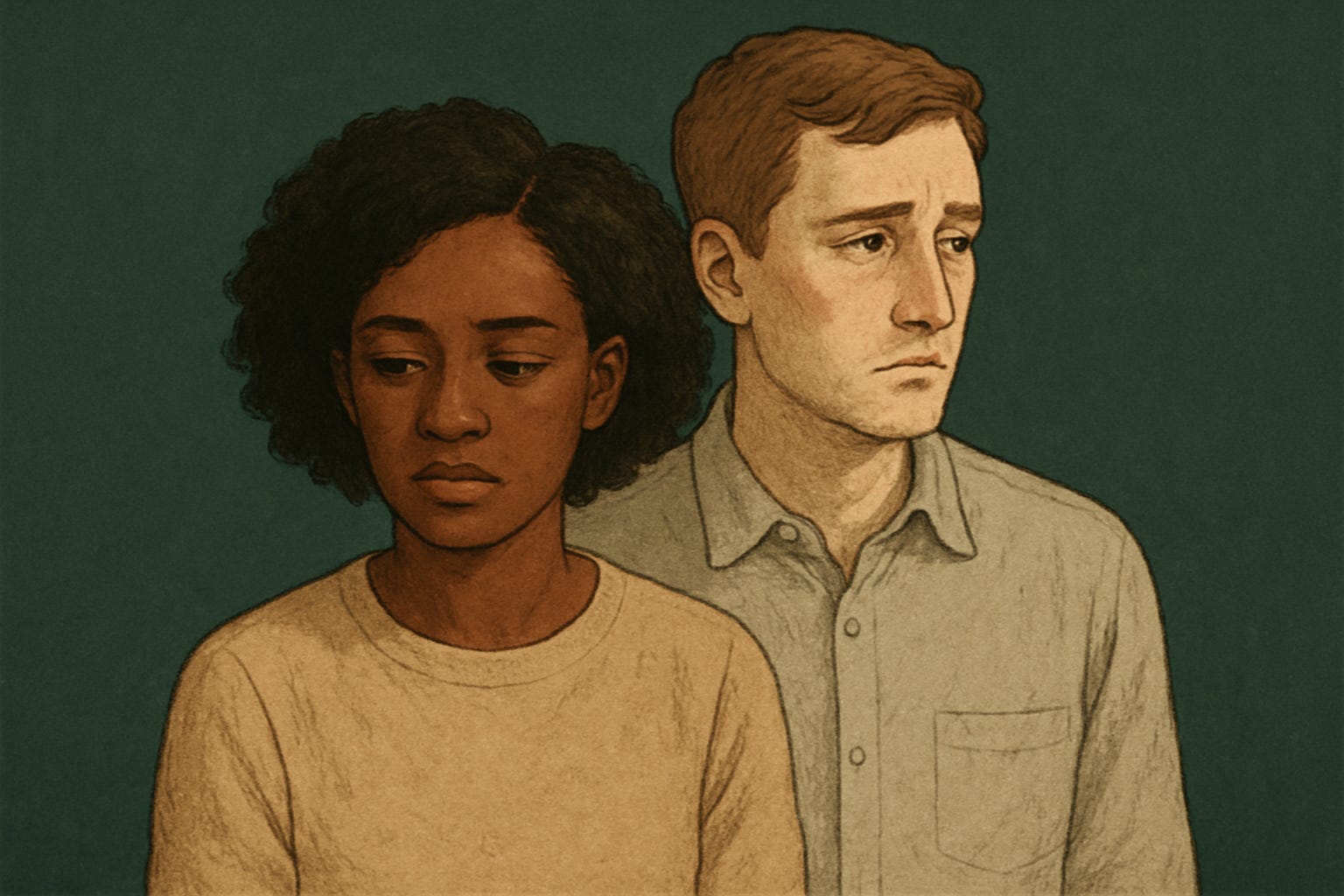
The philosopher Simone Weil wrote about attention as a form of love.
For Weil, attention was the foundation of morality. In her essay, Grace, she wrote, “The afflicted need nothing else in this world but people capable of giving them attention.”
Real attention. Not the distracted, half-present kind. But the kind where you actually see another person. You notice their particular struggles.
You show up for them even when it’s inconvenient. You choose to care more about their well-being than about being right. That’s love. And it’s work.
Most of us don’t realise how much work it is until we’re already tired.
We spend our early twenties, or our early stages of any relationship, in what psychologists call the “limerence” phase. It’s a state of involuntary infatuation.
You’re flooded with dopamine. The other person seems perfect.
Everything they do is fascinating. You can’t imagine ever being bored with them. Your brain has essentially hijacked you into thinking this is the answer to everything.
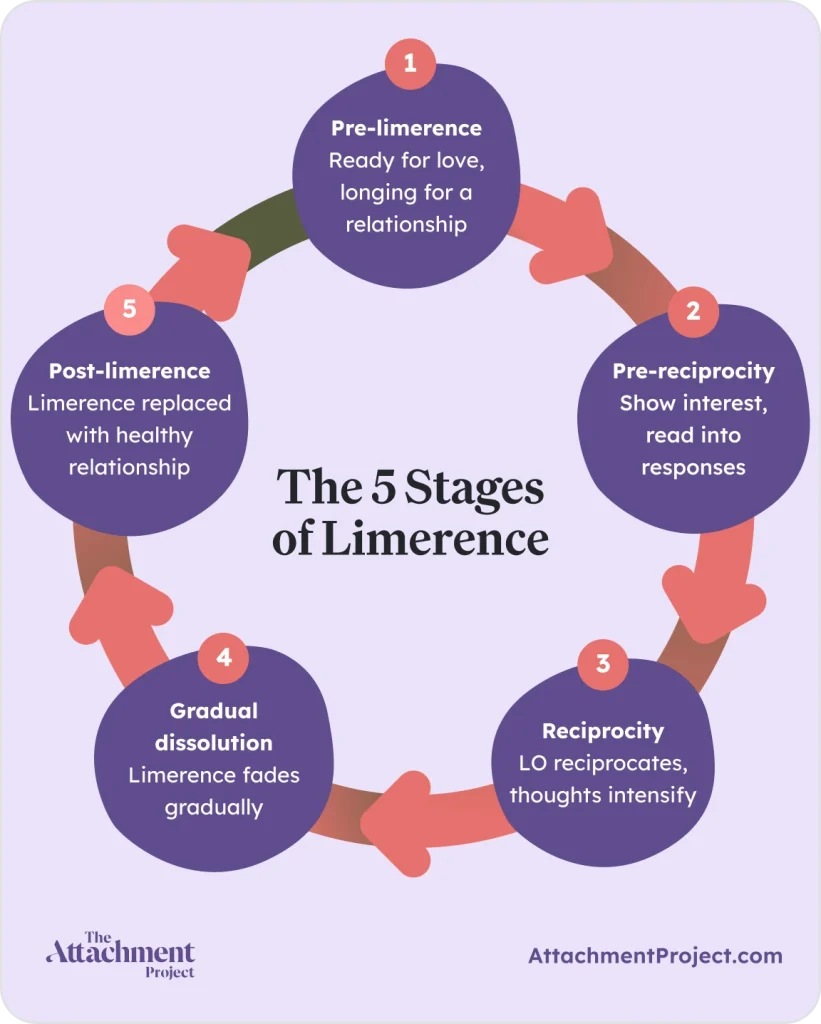
And then the limerence fades. And suddenly you’re left with an actual person.
A person with annoying habits. A person who disappoints you sometimes. A person who isn’t actually the answer to everything.
And you have to decide: do I choose to love this person now that the magic isn’t automatic? Or do I wait for the next person who might feel like fate again?
This is why so many people don’t end up with those they love.
Not because they didn’t love them. But loving them required showing up every day and actively choosing to love them. And that’s much harder than just falling.
The relationship therapist Alain de Botton talks about how we’ve been sold a lie about love. We’ve been told that when you meet the right person, it should be effortless. You should complement each other perfectly. Your relationship should feel like the movies. And when it doesn’t, when it feels hard, when you have to negotiate, when you have to sacrifice things you want, we assume something is wrong either with the relationship or with us.
That’s not what love is.
Love is a project. It’s something you build together, and like any project worth building, it requires skill. It requires patience. It requires the willingness to be changed by another person.
Most people don’t have that willingness. Or more accurately, most people lose it at some point. They get tired. They start thinking about the grass that might be greener. They convince themselves that if it were really right, it wouldn’t be this difficult. And they leave. Or they stay but stop choosing. And the relationship gradually becomes something hollow, a legal arrangement rather than a living thing.
There’s a kind of heartbreak in this. Not the dramatic one of being left for someone else, but the heartbreak of realising that the person you loved ran out of willingness to choose. They went back to waiting for fate instead of doing the work of love, and sometimes, if you’re honest with yourself, you realise you did the same thing.
You stopped choosing. You thought about leaving. You started noticing the other person’s flaws, as if they were evidence that you’d made a mistake, and you may have made a mistake. Or you’d just stopped choosing, and errors start to look inevitable when you stop picking.
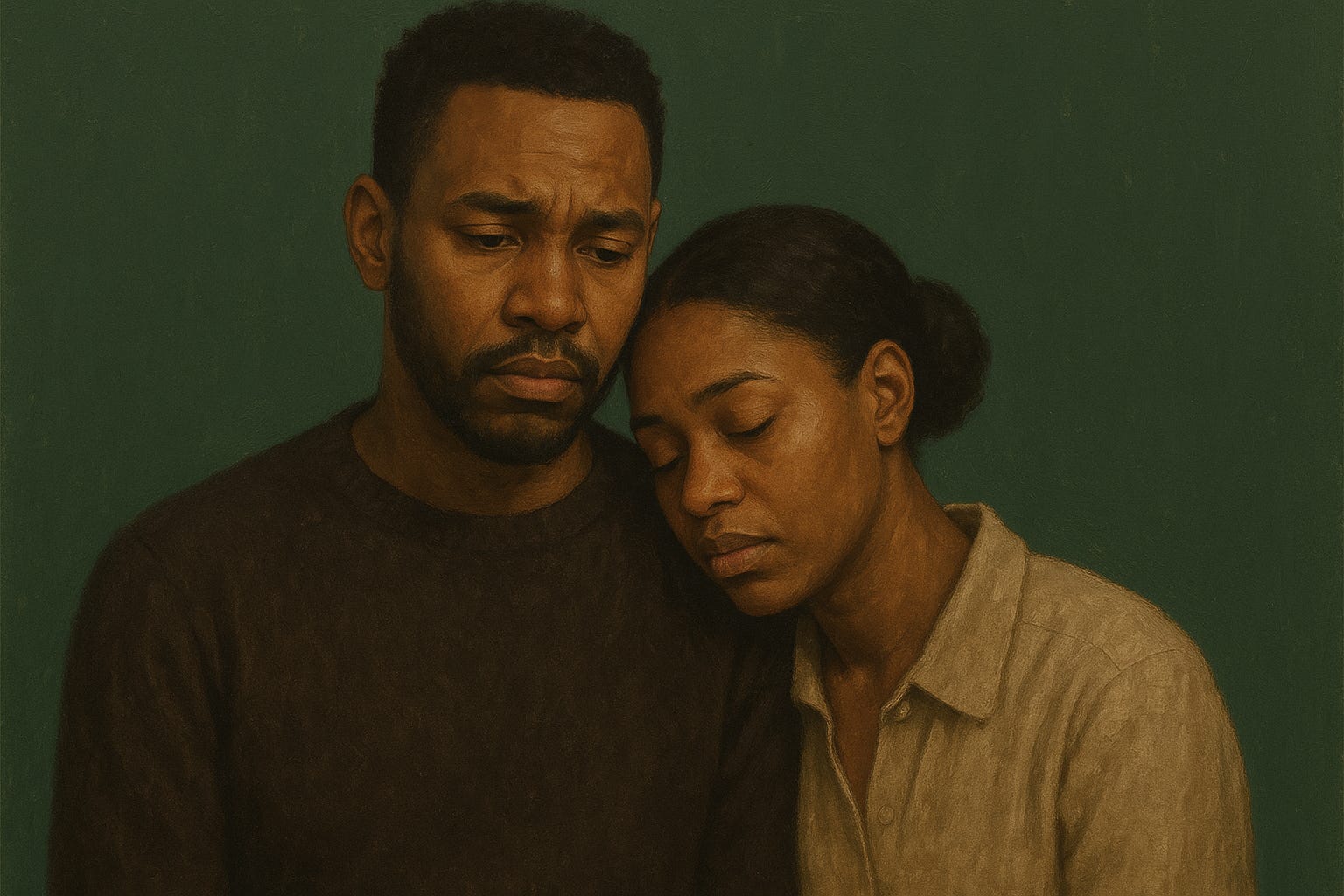
The writer Toni Morrison said, “If you want to fly, you have to give up the things that weigh you down.”
I am pretty new to this love-and-marriage thing, but I know this: love weighs you down. Real love. It anchors you to another person’s suffering, needs, and particular way of being in the world. You can’t be entirely free and entirely in love at the same time. You have to choose which one matters more.
Most people think they want love until they realise what it costs. And then they discover they want freedom more. Or they like the idea of love more than they want the actual practice of it. And neither of these is wrong, exactly. But it does explain why so many people don’t end up with those they love.
Love isn’t something that happens to you, it’s something you do. Over and over. In small moments. In the choice to listen instead of defend. In the choice to be vulnerable instead of protected. In the choice to put another person’s needs alongside your own, instead of above or below them.
You can’t do that if you’re always looking for a way out.
You can’t do that if you’re keeping score.
You can’t do that if you’re waiting for it to feel automatic again, as it did at the beginning.
The psychologist Barbara Fredrickson has researched what she calls “positivity resonance”, moments of mutual care and attention between two people that create a kind of biological synchrony.
Your nervous systems actually start to regulate each other. You literally become calmer, healthier, and more resilient in the presence of someone you’re choosing to love well. But this only happens if you’re actually present. If you’re actually choosing. If you’re actually paying attention. And most of us aren’t.
Most of us are distracted.
We’re thinking about work. We’re thinking about our phones.
We’re thinking about whether we made a mistake somewhere, whether there’s someone else who’d understand us better, and whether we’re supposed to feel more settled by now.
And so we don’t end up with those we love. Not always because the love wasn’t real. But because we couldn’t sustain the choice. We got tired. We got scared. We got bored. We wanted something easier.
And then years later, we think about them. And we wonder: what if I’d just kept choosing?
There’s an ache in this. Because there’s no neat resolution, it’s not like you made the wrong choice and now you know better.
It’s that you made the choice that seemed right in the moment, the choice to leave, to step back, to stop trying so hard. And maybe it was right. Maybe you actually weren’t compatible. They weren’t good for you, but there’s also a possibility that you just stopped choosing. And the relationship, which was alive, which was possible, died because both of you ran out of willingness at the same time. Or you ran out, and they were still willing, but once one person stops choosing, it’s very hard for the other person to keep going alone.
The grief from this is particular. Because you can’t blame them, you can’t blame fate. You can only blame the choice. The choice not to choose.
And that’s harder to bear.
So why doesn’t this work? Why don’t people choose?
Why do we let the people we love slip away?
Sometimes it’s because we weren’t actually in love. We were in love with the idea of them, or with who we thought we could be alongside them. And when that illusion faded, there was nothing underneath.
But sometimes it’s because choosing is actually hard. It’s unglamorous. It doesn’t feel like love should feel in the films. It feels like work, because it is work. And we have enough work in our lives already.
And so we convince ourselves that real love shouldn’t feel like this. That with the right person, it would be easier. That we’re meant to find someone who fits, who doesn’t require this much effort, who makes us happy without us having to try so hard. And that person may exist. There may be someone who requires less work. But here’s what I suspect: that person needs a different kind of work. And eventually, you’ll run out of willingness for that too.
Because love, fundamentally, is about transcending your own comfort. It’s about choosing to be affected by another person.
It’s about putting their well-being into the calculus of your own decisions. And that’s difficult. It will always be difficult.
The difficulty isn’t a sign that something is wrong. It might be a sign that something is right.
The poet Rilke wrote, “The point of marriage is not happiness but more consciousness.”
More awareness. More complexity. More of reality is hitting you in ways that make you grow. Not everyone wants that. Not everyone is willing to be that changed by another person.
And that’s OK. But if you’re choosing to be with someone, then you’re choosing that complexity. You’re choosing to be changed.
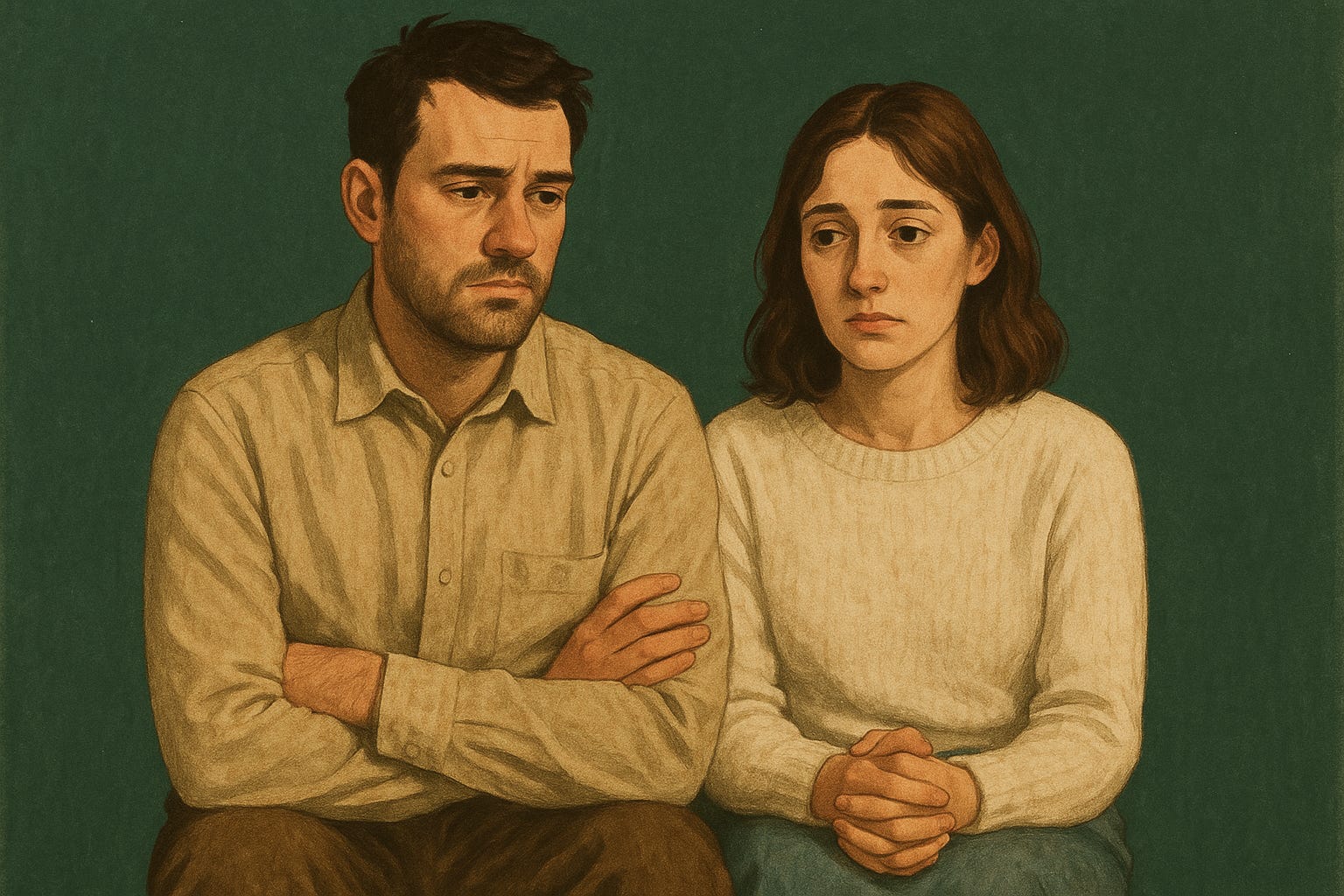
You’re choosing to show up, even when the magic isn’t automatic, even when you’re tired, even when you could leave and find someone easier.
So why don’t we end up with those we love?
Sometimes, because we’re not brave enough to choose. Sometimes, because we’re too afraid of what choosing might cost. Sometimes, because we mistake the fading of limerence for the death of love, and we don’t realise that real love is built from something quieter and more deliberate than dopamine and destiny.
And sometimes because the other person stopped choosing to. And once both people stop, there’s nothing left to build on.
The only thing that might prevent this is if you understand, going in, what you’re signing up for. Not romance. Not fate. But the daily choice to love someone even when they’re ordinary, even when they disappoint you, even when the magic has faded, and all that’s left is the work.
If you can choose that, you might be one of the lucky ones. You might end up with someone you love. Not because fate decided it. But because you both decided, over and over, that you were worth choosing for each other.
Well, that is what the author thinks!
Here is also my favourite video on the internet!
Thank you for reading. Your time and attention mean everything. This essay is free, but you can always buy me coffee or visit my shop to support my work. For more thoughts and short notes, please find me on Instagram.