


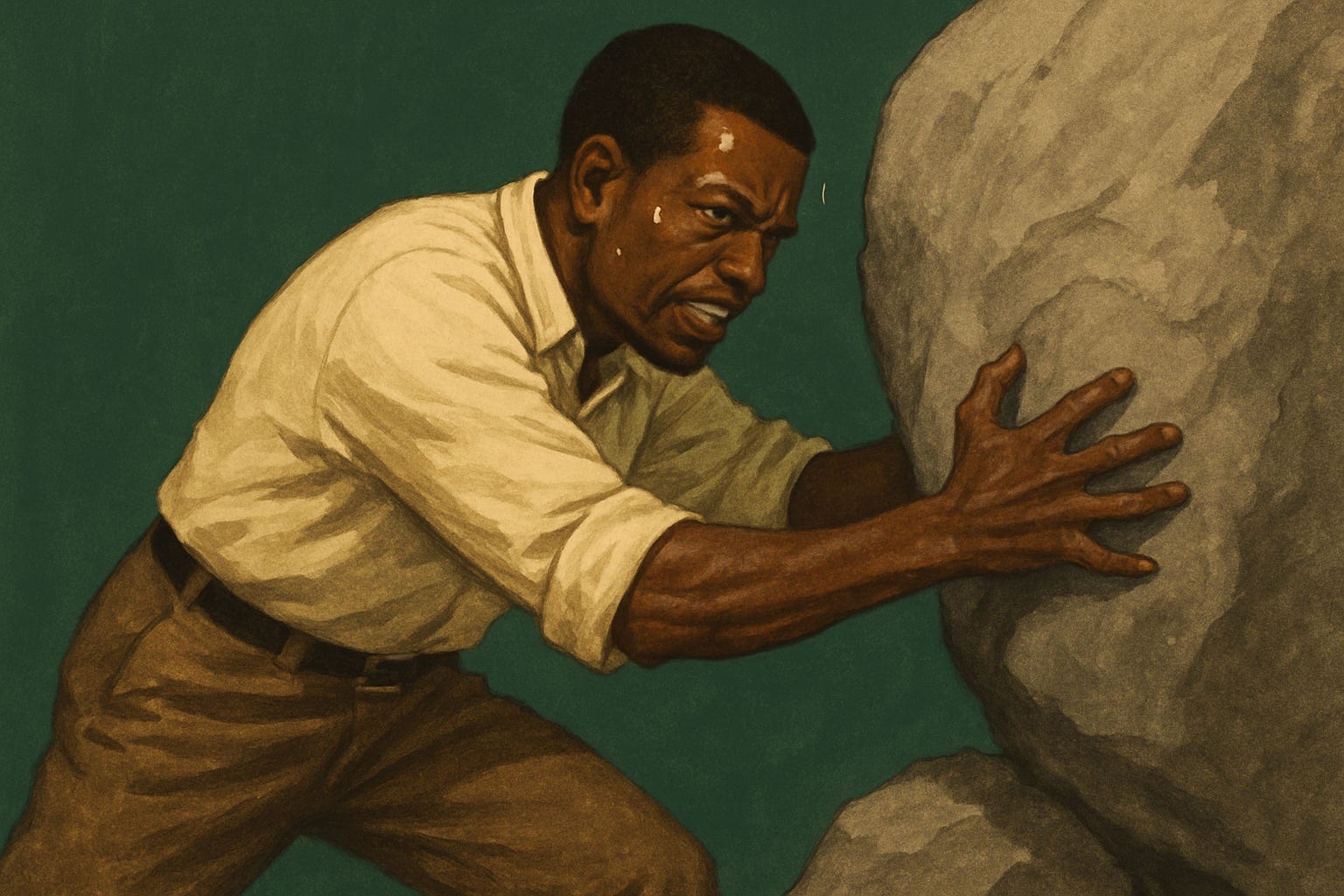
Have you ever found yourself caught in what feels like a psychological quicksand?
It is that specific, dreadful state where you know exactly what you should be doing, yet you are utterly incapable of moving. Maybe you are facing a massive deadline, grappling with a personal decision, or wrestling with an overwhelming state of anxiety or low mood. Your mind is buzzing with possibilities, worst-case scenarios, and endless planning, but your body is rooted to the spot.
We call this paralysis by analysis, or sometimes just plain procrastination, but it is actually a deeply uncomfortable and draining state of being. We tend to think that the solution to this paralysis must be an intellectual one: if I think harder, plan better, or achieve perfect clarity, then the action will follow effortlessly.
But I want to offer you a more straightforward, more radical truth, one that reverses the usual order of things: Sometimes the only antidote is action. The cure for paralysis is movement, even if that movement is small, clumsy, and entirely imperfect.
The primary reason we get stuck is that we have internalised a false sequence.
We believe the steps must be: Clarity → Motivation → Action.
We wait for clarity to arrive like a divine lightning bolt, illuminating the entire path ahead. We wait for motivation to hit us like a wave, powering us forward. And because perfect clarity rarely exists, and motivation is fickle, we wait, and wait, and the quicksand tightens its grip.
Action flips this script entirely.
It proposes the sequence: Action (small) → Clarity → Motivation (big) → Action (sustained).
We have to understand that the feeling of momentum, that buzzing energy we associate with motivation, is not the cause of our movement; it is almost always the result of it. The brain rewards successful movement with a hit of dopamine, reinforcing the behaviour. You do not wait to feel good to start; you start to feel good.
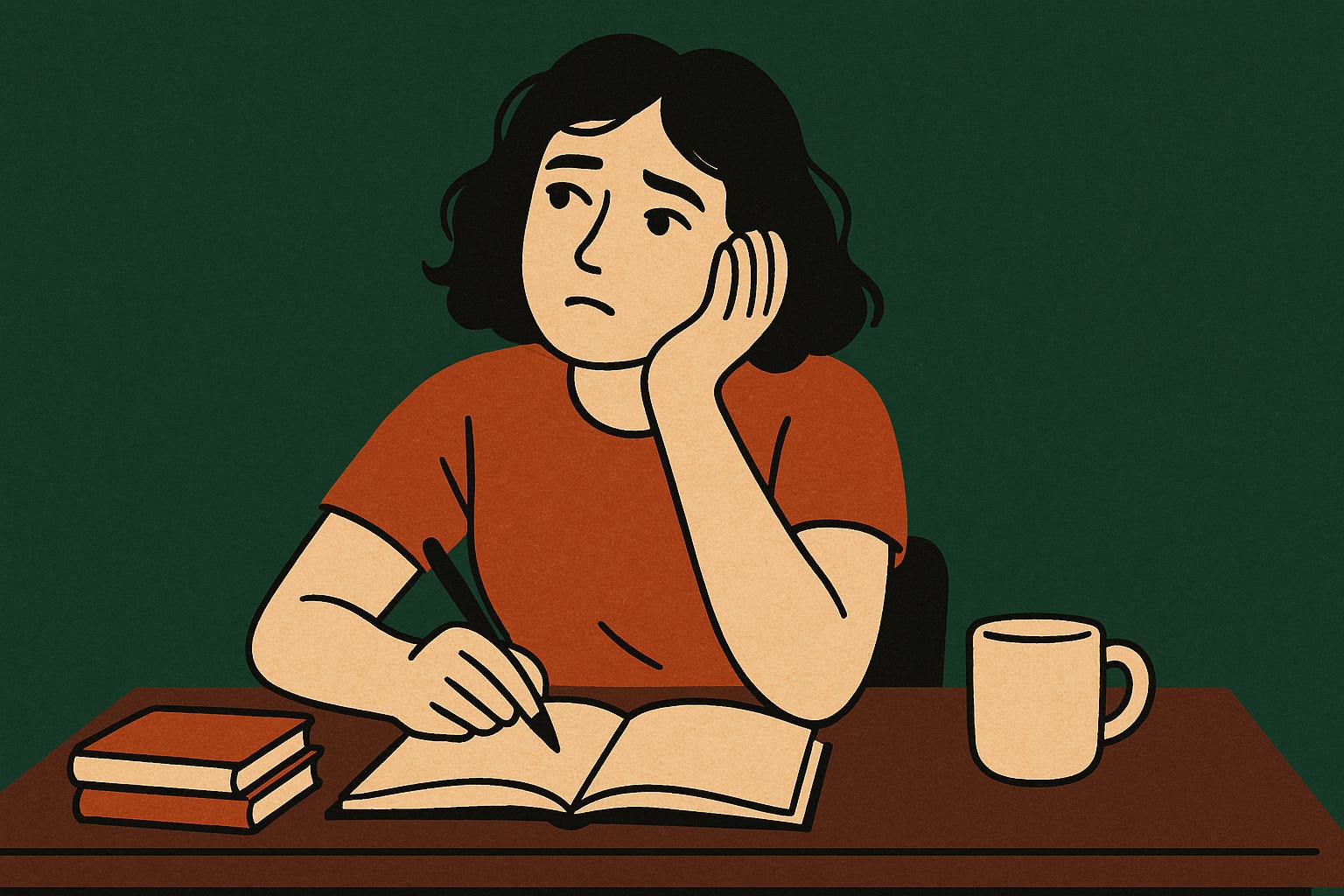
This shift is crucial because it takes the pressure off finding the Grand Master Plan. It asks you to focus only on the next single, achievable step.
The primary enemy of well-being is often rumination, the act of cycling through the same negative thoughts, fears, or unresolved problems without moving towards a solution. Rumination is a stationary exercise; it requires zero physical or external engagement. It is all internal noise.
Action, however, is a forced interruption of rumination. When you physically stand up, pick up the phone, or write the first sentence of a daunting report, you are forcing your brain to change channels. You are asking it to shift from the abstract realm of ‘What if?’ to the concrete realm of ‘What now?’
This external engagement has a grounding effect. If you are overwhelmed by the vastness of a project, your internal dialogue says, ‘This is too much; you will fail.’
By taking one small action, say, setting up the file structure or drafting the first three bullet points, you create undeniable, physical evidence that contradicts the fear. You are literally proving to your anxious mind that the task is, in fact, divisible and manageable. The anxiety shrinks when confronted with the evidence of your hands.
If the antidote is action, then the dosage must be correct. We do not need massive, heroic leaps of faith. In fact, huge action is often just as paralysing as doing nothing, because the mental barrier is too high.
Instead, we need to focus on the ‘smallest unit of action.’ What is the single, easiest, most non-negotiable step you can take right now?
If you need to write a challenging email, the smallest unit is not sending it; it’s opening a new document and typing the date. If you need to clean your entire house, the smallest unit is designed to pick up one cushion and smooth it.
This principle concerns lowering the activation energy required to initiate. You trick your brain into moving. Once the momentum begins, the inertia against stopping is often greater than the initial inertia against starting. Once engaged, the brain prefers to finish the cycle.
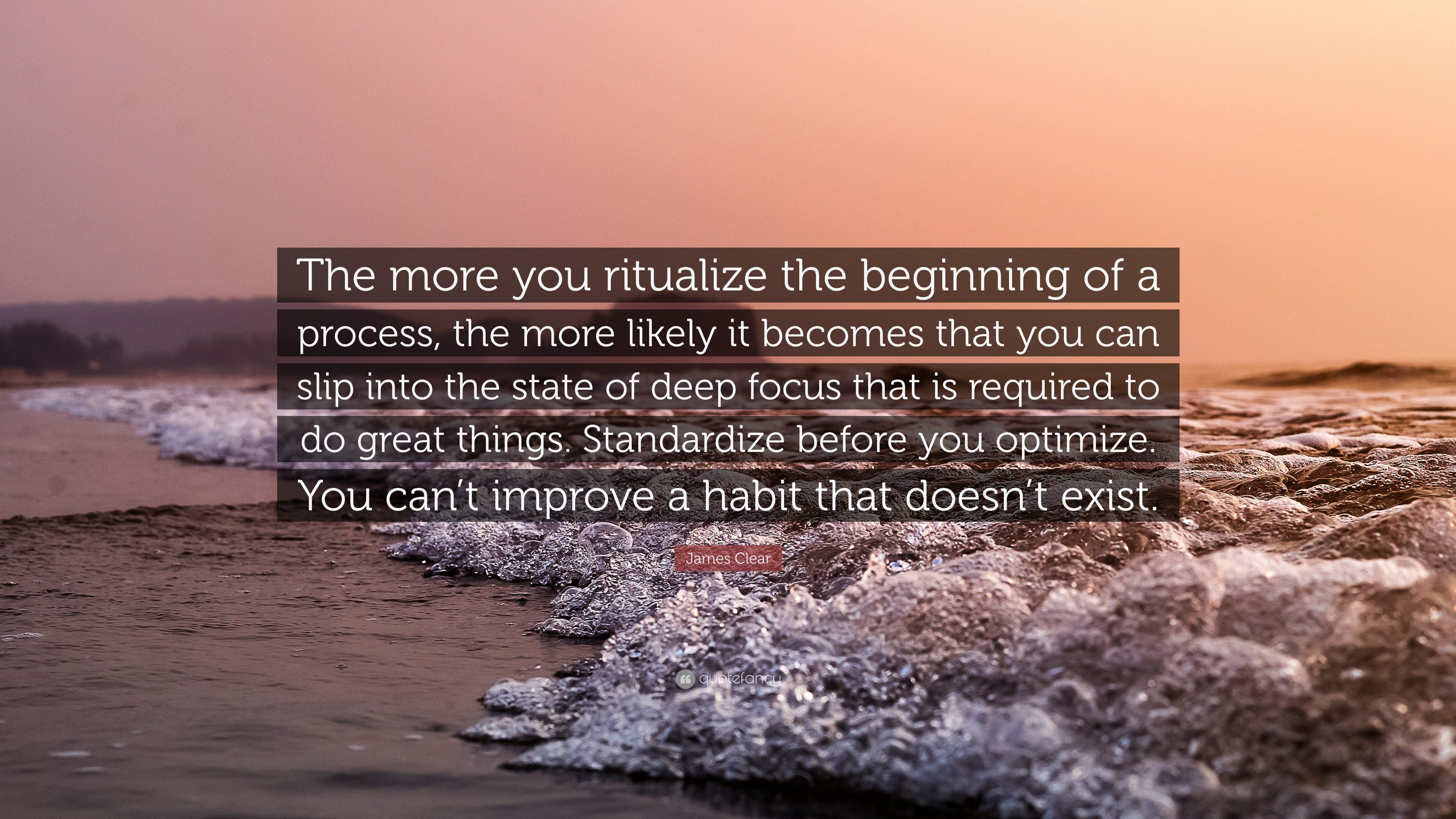
By focusing on the small, you harness the power of what James Clear calls ‘starting rituals.’ You build a bridge from inaction to movement that is so short and easy to cross that you don’t even have time to negotiate with your fear.
Action is the remedy not just for personal paralysis, but for the wider malaise of feeling helpless in the face of large, complex problems.
Whether you are facing personal heartbreak, career uncertainty, or global anxiety, sitting and intellectualising the problem is only valuable up to a certain point. Beyond that, the only way forward is to engage with the world, one small, imperfect step at a time. The hands and the feet are often wiser than the anxious mind.
So, if you feel that quicksand tightening today, do not search for the perfect thought. Do not wait for the motivation wave. Just choose the smallest possible action, and execute it immediately. You will find that the moment you move, the anxiety begins to recede, and the antidote starts to work.
Thank you for reading. Your time and attention mean everything. This essay is free, but you can always buy me coffee or visit my shop to support my work. For more thoughts and short notes, please find me on Instagram.