


Hospitals once had a problem they could not solve with logic.
Patients were not taking their medication on schedule, and every reasonable fix failed. Better reminders, clearer instructions: none of it moved the numbers.
The people designing the solutions kept asking how to make the system clearer, even though it was already clear.
The breakthrough came from a different question. Not how do we make this legible, but how does it feel to take medication in a hospital bed?
The answer was that it feels like being a child again, stripped of any say over your body, handed pills on someone else's clock. So they gave patients control over when, within a safe window, they took their dose. The clinical outcome held. What changed was the helplessness, and with it the compliance.
Nothing about the fix was smarter logistics; the obstacle had never been logistical.
We tend to treat creative problems as cognitive ones.
We assume the best answer comes from the clearest head, so we research more thoroughly and reach for proven methods.
The instinct is not so much wrong as incomplete.
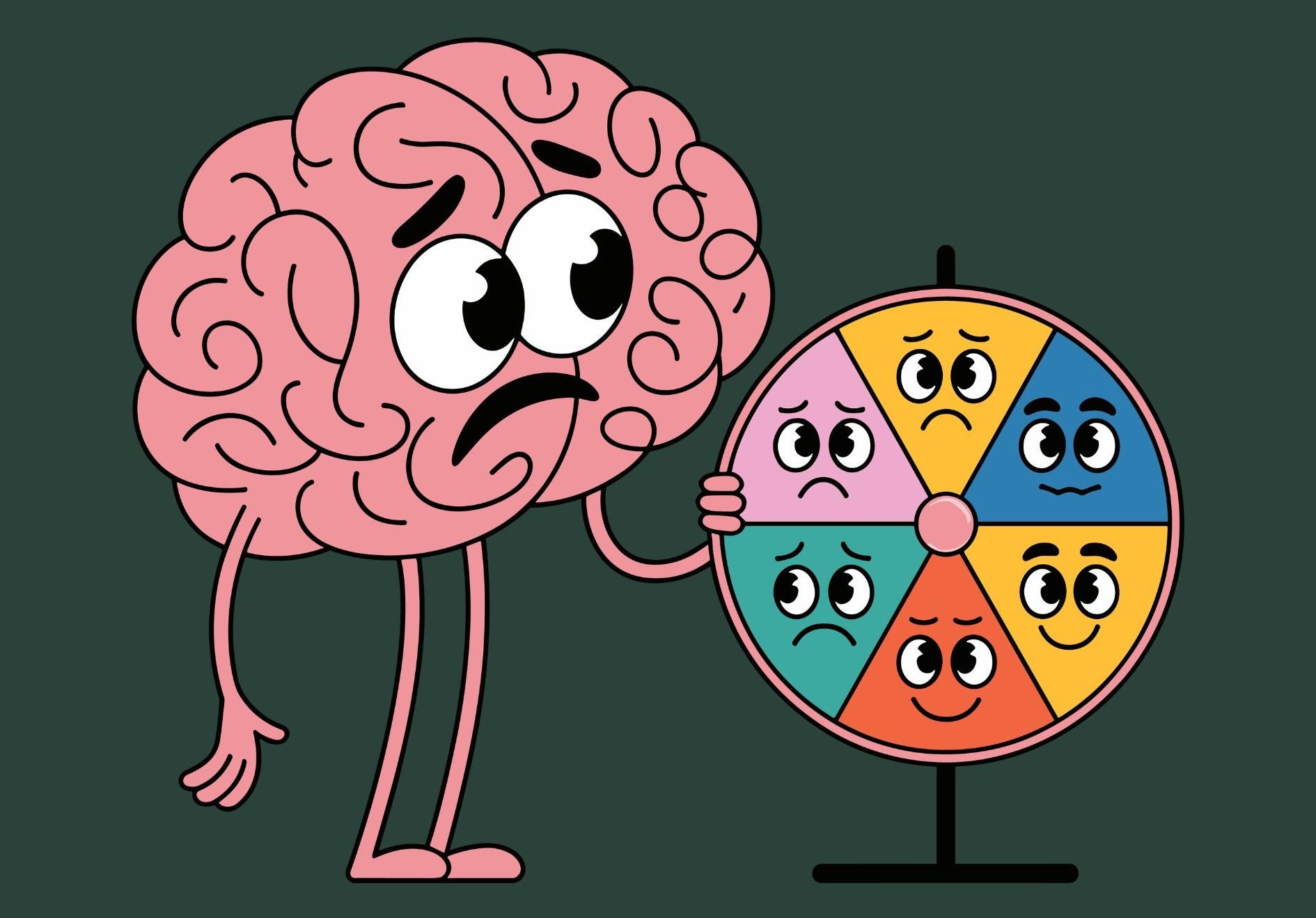
People reason, but they feel first, and a solution that forgets the order will be correct on paper and refused in the room.
This is why the stated problem is so rarely the real one. The stated problem is the version a person can say without exposing themselves.
A company asks for better communication tools when, in fact, its teams do not trust each other enough to speak plainly, and no tool can repair that. What a client calls a need for faster delivery is often a need to feel less out of control, which speed leaves untouched.
The emotional matter lies beneath, doing the real work of obstruction, while everyone argues on the surface.
Resistance behaves the same way.
You propose something; it is rejected. You explain it more carefully; it is rejected again. You produce the data, and the person is unmoved; you solve their stated problem, and they find a new objection.
At this point, most of us argue louder, which is to mistake an emotional refusal for a logical one. The person may feel threatened by the change or humiliated that they did not arrive at it first.
Better arguments cannot reach any of that. What reaches it is a framing that leaves their standing intact, or a hand in shaping the result, which lets them feel some ownership.
Simone Weil wrote that “the capacity to give one's attention to a sufferer is a very rare and difficult thing; it is almost a miracle.”
She meant more than sympathy. What she described was the willingness to look at a person's actual condition rather than the tidy account we would prefer they fit into.
Most problem-solving fails this test. It attends to the brief and never to the person who wrote it.
Feeling does not replace analysis here, and a good deal of emotional reasoning is merely wishful. The demand is narrower and harder.
A solution has to survive the conditions people face when they encounter it.
A customer service script that works on a reasonable caller is worthless against a furious one. The efficient workflow that helps a calm employee adds weight to an overwhelmed one. Test only for the rational actor, and you have tested for someone who does not exist.
So when a problem will not yield, the honest move is often to stop sharpening the logic and ask what you have been declining to feel. What is the person across from you protecting or avoiding? And what have you been filing under irrational that might be telling you the truth?
The answer may still be perfectly logical. It will just be the logic that accounts for the whole person, rather than the elegant one that solves a problem nobody actually had.