


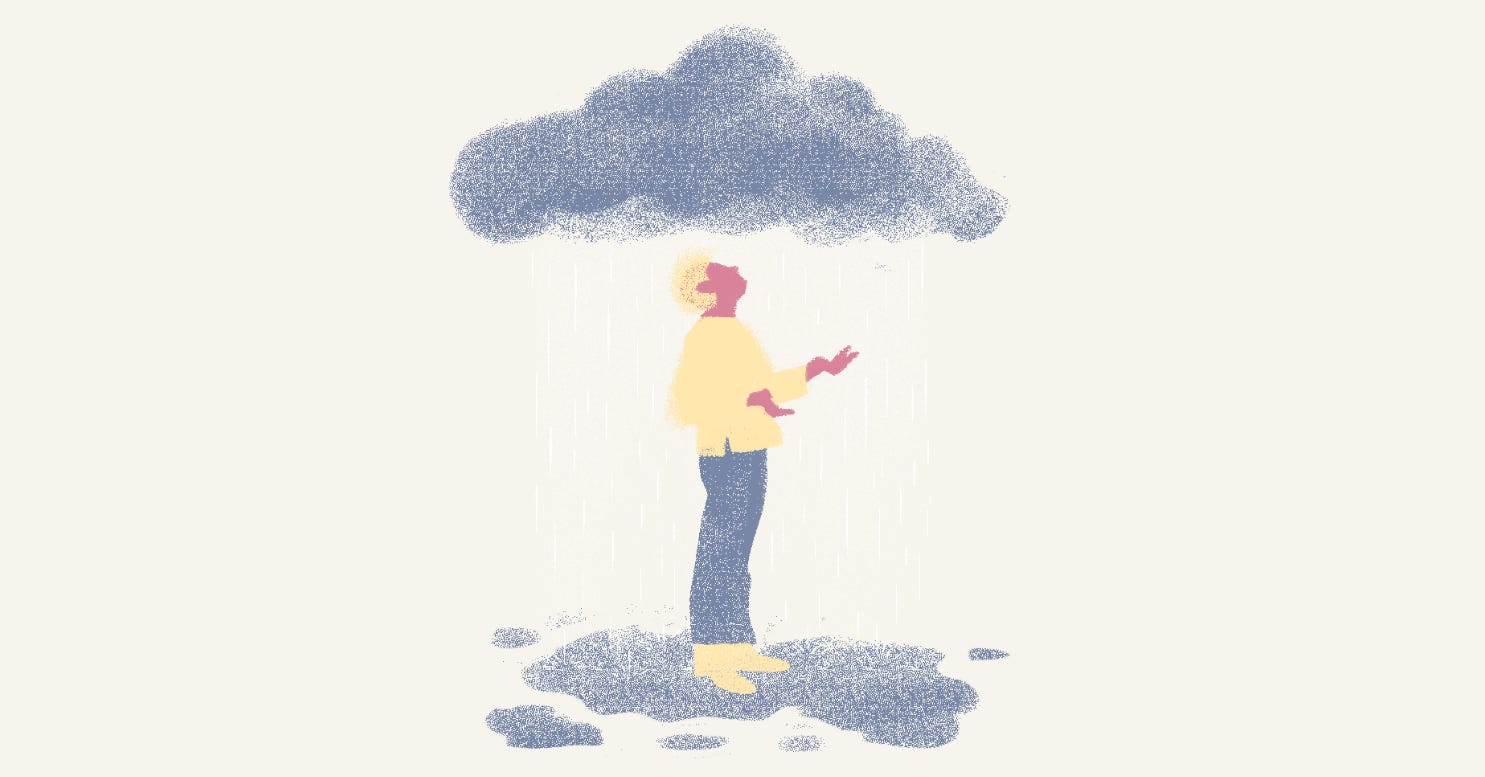
Somewhere along the way, most of us absorbed a quiet and destructive belief: that if we do not feel like doing something, we probably should not do it.
We do not say this out loud because, said plainly, it sounds absurd, but we live by it constantly. We do not feel inspired, so we do not write. We do not feel motivated, so we skip the run. We treat our moods as though they were weather, external, powerful, and entirely beyond our control.
The evidence against this belief is everywhere and worth looking at. The professional writer and the amateur wake up on a grey Monday morning with precisely the same reluctance. The feeling is identical.
What differs is not the internal experience but what each of them does in the thirty seconds that follow it. One person waits for the reluctance to lift before beginning; the other begins while still reluctant. Over a career, that small difference in response compounds into two entirely different lives.
None of this means your feelings are unreal or that you should bully yourself into ignoring them. Feelings are real, and they carry genuine information about your state and your needs.
The claim is narrower and more liberating than that: your feelings are real, but they are not in charge. You can be genuinely terrified and still walk onto the stage and speak. You can feel utterly flat and still show up to the thing you promised to attend. You can be furious and still deliberately choose the words you use.
The most expensive habit a person can develop is waiting to feel ready. It is expensive because the bill never arrives in a single dramatic moment; it is paid slowly, in the accumulated weight of everything you postponed until the mood was right.
The mood is so rarely right, because “ready” is itself a feeling, and feelings do not respond well to being summoned on schedule. They arrive when they arrive, usually late, and often only after you have already begun.
This is the secret that separates people who make things from people who merely intend to. They do not wait for motivation to precede action because they have noticed that it rarely does.
They act first, despite the mood, and they trust something counterintuitive yet reliable: that the mood, more often than not, catches up to the motion once it is already underway.