


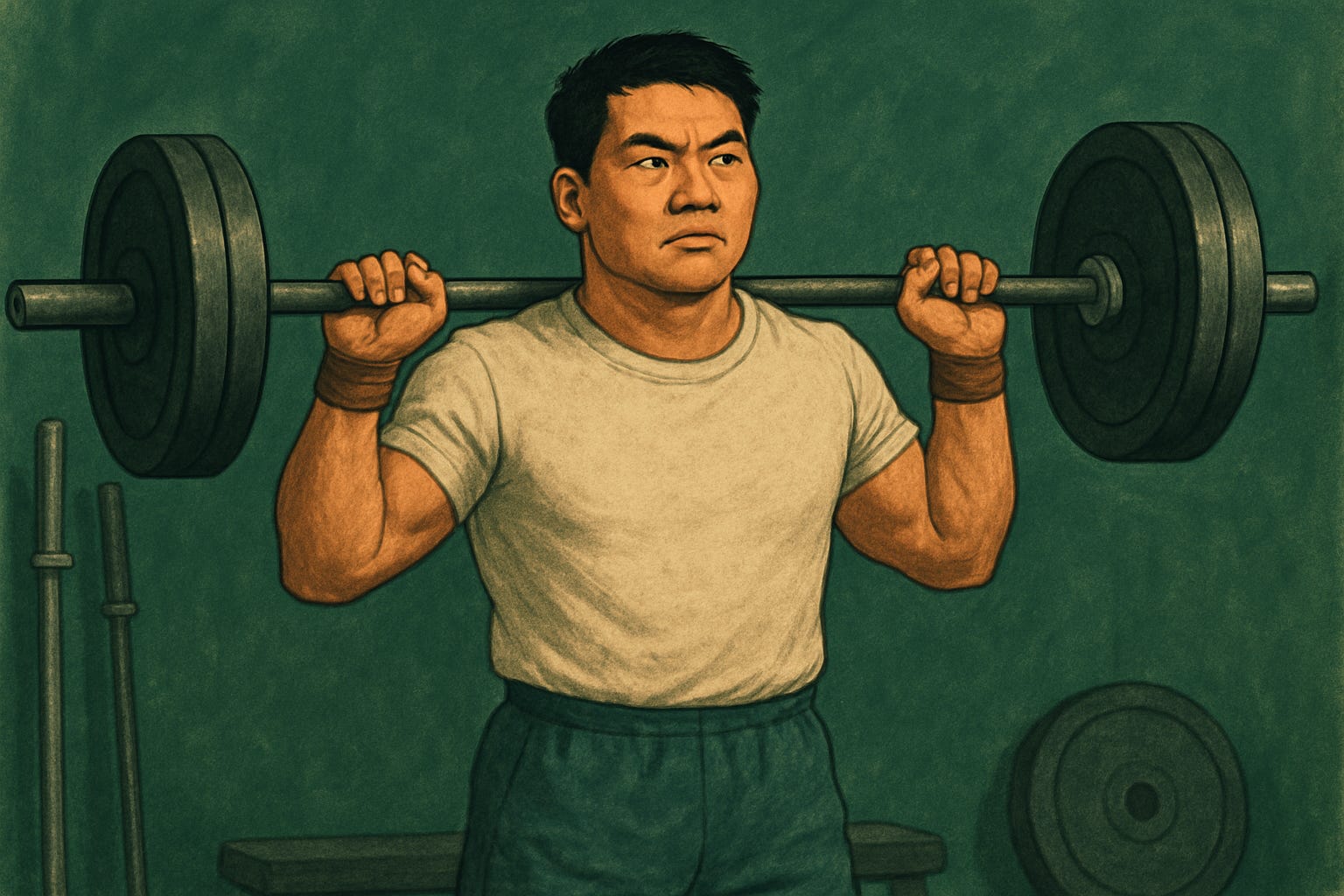
I want to talk to you about the true nature of courage. We have this pervasive, heroic image of courage; we imagine the fearless warrior who strides into battle without a tremor, the brilliant speaker who steps onto the stage without a drop of nervousness. We tend to think that courage is the absence of fear.
This is a dangerous lie, and it has prevented you, and certainly me, from starting countless worthwhile things. If you wait for the fear to vanish before you act, you will stay forever.
Fear is a physiological constant; it is a primal alarm system built into us to keep us safe from sabre-toothed tigers, and it fires just as readily when you are about to hit ‘send’ on a deeply personal email or launch a new business.
The real, functional definition of courage is much more nuanced, and it is something you can practise every day. It is this: You can admit the fear, feel it, and do the thing anyway. This isn’t just a mantra; it’s a three-step cognitive process that allows you to bypass the panic response and access your agency.
Step 1: Admitting the Fear (The Naming)
The first step is arguably the most vital. When that familiar cold hand grips your chest or your palms start to sweat, the instinct is often to suppress it. We might distract ourselves, or worse, we might tell ourselves, ‘I shouldn’t be scared of this. This is ridiculous.’ This is intellectual shaming, and it never works. It just makes the fear louder because the emotion feels unheard and invalidated.
Admitting the fear is the simple, honest act of naming it. You look the feeling directly in the eye and say, ‘Hello, anxiety. I see you.’
This is not a surrender; it is a declaration of presence. In psychology, there is a concept called ‘affect labelling’ or ‘mindful naming.’ Studies have shown that simply putting a label on a complex emotion, saying ‘I feel fear’ or ‘This is anxiety’, actually decreases activity in the amygdala, the brain’s fear centre.
By naming the emotion, you move the processing of the feeling from the reactive, primal brain to the cognitive, reasoning brain. You switch from being controlled by the fear to merely observing it.
When you admit the fear, you create a small but crucial psychological distance between yourself and the feeling. You are not the fear; you are the person experiencing it. That distinction is everything.
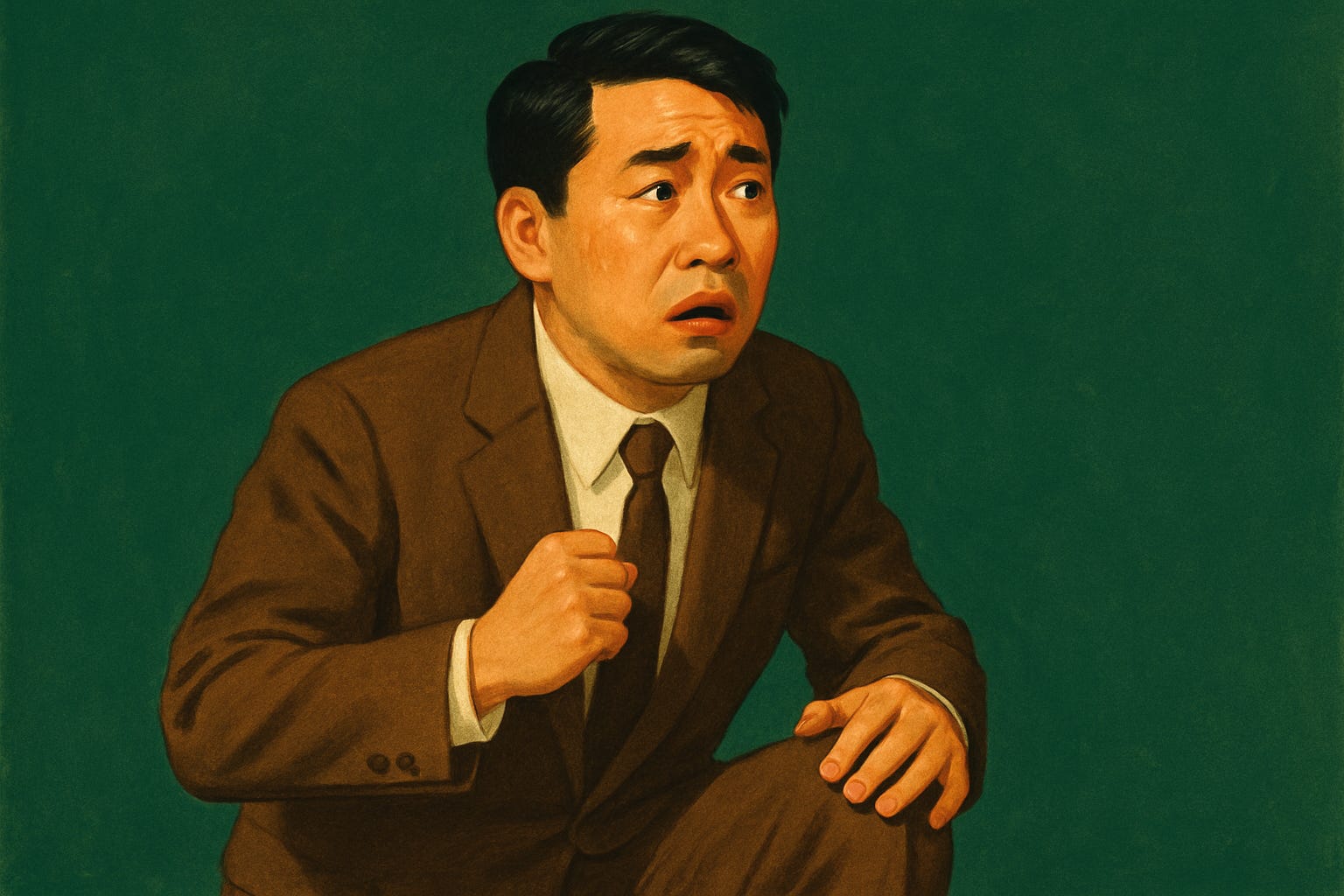
Step 2: Feeling the Fear (The Integration)
Once you have named it, the next step is to actually feel it. This is where most people bail. We write a strong email while ignoring the churning in our gut. It is an impossible split.
To feel the fear means giving it five minutes of your dedicated, non-judgmental attention. Where does it live in your body? Is it a vibration in your legs? A tightening in your jaw? Breathe into that sensation. Do not try to solve or fix it. Just notice how long it lasts, and how its intensity changes.
This step is about integration. You are integrating the fear into your current experience, rather than fighting it as an external enemy. You are saying, ‘Yes, this is an important moment. It’s scary because it matters. My body is reacting appropriately to the possibility of change or failure.’
This is a critical reframing. Fear is not a signal to stop; it is often a signal that you are approaching your growth boundary. If you were doing something easy and meaningless, you would not be scared. The intensity of the fear is often directly proportional to the meaningfulness of the action you are about to take.
Step 3: Doing the Thing Anyway (The Decoupling)
This is the final, decisive action, and it is built entirely on the success of the first two steps. Because you have admitted and felt the fear, you have successfully decoupled the emotion from the action.
The fear wanted to be the antecedent to your action; it wanted to be the prerequisite that must be overcome before you act. But by executing the first two steps, you turn it into a coexisting condition.
You are not waiting for the light to turn green; you are driving while the red light is still blinking. You are allowing the fear to ride in the passenger seat, while you still hold the steering wheel.
This is the fundamental lesson of authentic courage: Action does not wait for a feeling of readiness. You take the step even when you feel profoundly unready.
You write the sentence even while your heart is racing. You initiate the conversation even as your voice trembles.
The great insight here is that the feeling of competence and confidence usually does not precede the action; it follows the action. We do the brave thing, and then we feel brave. The evidence that we can handle the fear is collected only after we have acted in its presence.

The Practice of Incremental Bravery
This isn’t about grand gestures. It is about incremental bravery. It is about a thousand tiny moments when you look at the fear, nod to it, and proceed regardless. It is about creating a new pattern in your nervous system, a pattern that proves that the alarm can be ringing, but the fire is still manageable.
This is the sustainable way to build a meaningful life or career. Because the truth is, the bigger the thing you want to achieve, the louder the fear will be.
Learning to do the thing anyway is simply learning to navigate life with your own powerful alarm system running in the background. You accept the noise, you maintain control, and you keep moving forward. That is the definition of a life lived fully.
Thank you for reading. Your time and attention mean everything. This essay is free, but you can always buy me coffee or visit my shop to support my work. For more thoughts and short notes, please find me on Instagram.