


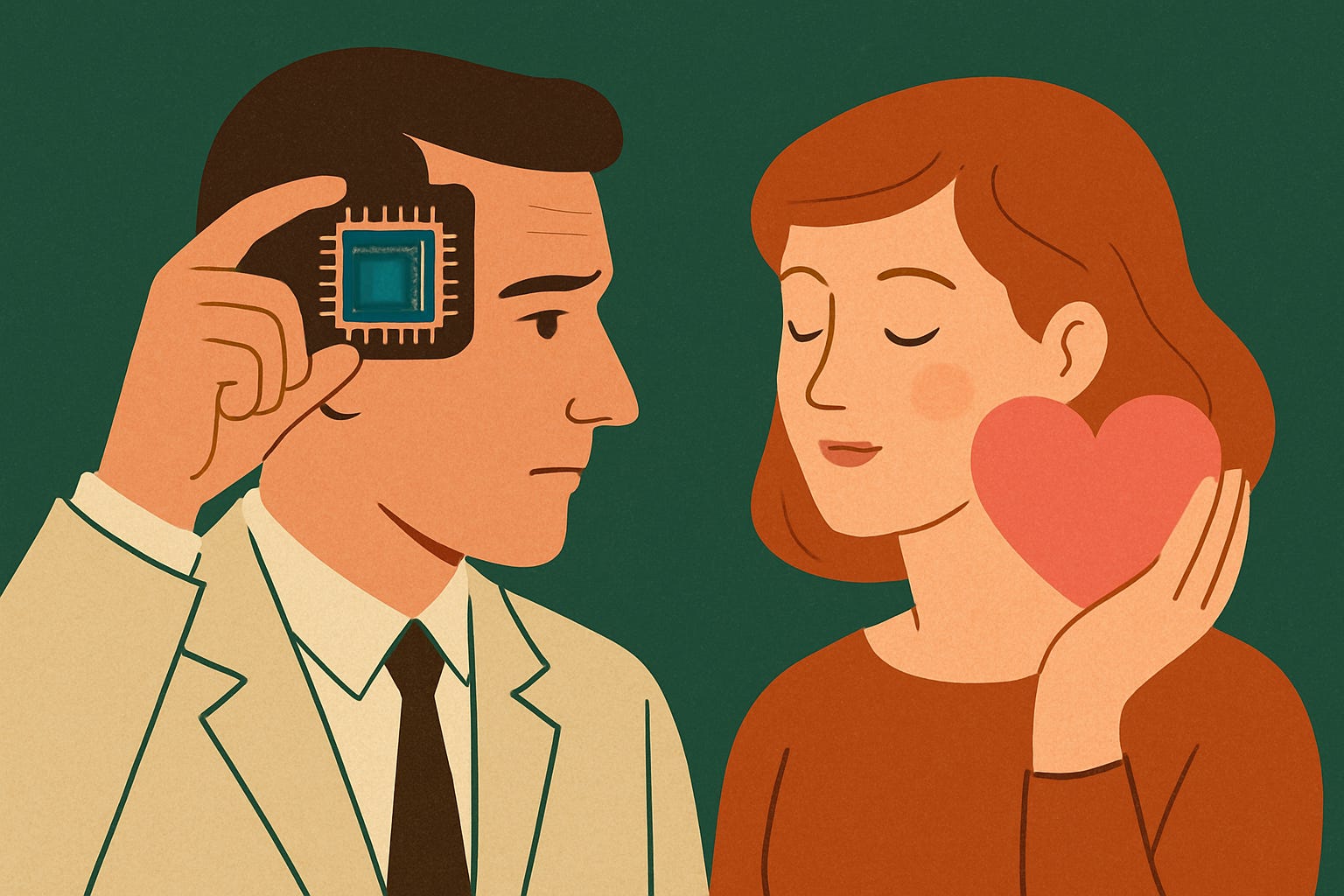
I want you to imagine for a moment that you are designing a human being from scratch. You have built the skeleton, the muscles, and the brain. But now you have to write the software. You need to create a programme that ensures this human survives long enough to pass on its genes in a world full of predators, poisons, and rival tribes.
You wouldn’t programme this human to be purely logical. Logic is too slow. If a tiger jumps out of a bush, you don’t want your human to stand there calculating the velocity of the tiger and the probability of survival. You want them to run. Immediately. Without thinking.
So, you install a shortcut. You install an override system that bypasses the thinking brain and hijacks the body. You install fear.
This is essentially what emotions are. We tend to think of them as messy, irrational inconveniences that get in the way of our day. We apologise for getting “too emotional”. But if we look at this through the lens of psychology, that is entirely backwards. Emotions are not bugs in the system; they are the features that keep us alive.
Let’s look at the machinery under the bonnet. Take disgust, for example. Why do you curl your lip and feel nauseous when you smell rotten meat or see an open wound? It isn’t just a random reaction. It is a behavioural immune system.
Long before we understood bacteria or viruses, we had disgust. It was nature’s way of shouting, “Do not put that in your mouth, or you will die.” The ancestors who didn’t feel disgusted ate the rotten meat and perished. We are here because our forebears were easily grossed out.
Then there is anger. We often view anger as destructive, but in the context of a tribe on the savannah, anger was a vital resource protector. If someone stole your food or threatened your mate, you needed a chemical surge that would allow you to defend your boundaries and your status. Anger floods the blood with adrenaline and cortisol; it dulls pain and focuses vision. It is the body preparing for a fight to ensure fairness and survival.
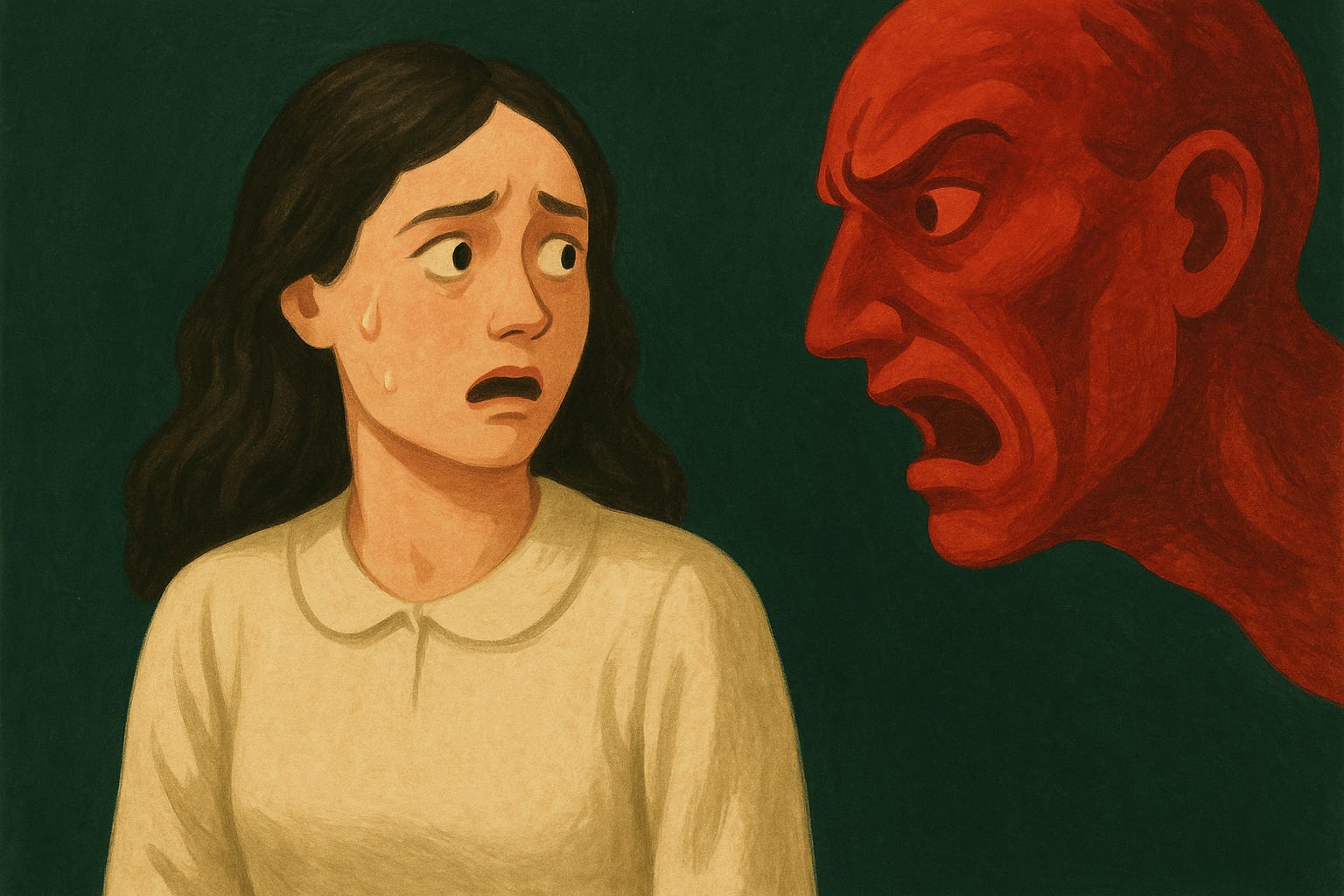
Even the emotions we find most painful, like sadness, have a ruthless evolutionary logic. When you are profoundly sad, your energy drops. You withdraw. You lose your appetite. In an evolutionary context, this likely served two purposes.
Firstly, it prevented you from wasting energy when resources were lost. Secondly, and perhaps more importantly, the physical expression of sadness, tears, slumped posture, the face of grief, signals to the rest of the tribe that you are vulnerable and in need of support. It strengthens the social bonds that are essential for a species that cannot survive alone.
However, there is a catch. And this is where life in the modern world gets difficult.
Our emotional hardware was calibrated for a world that no longer exists. It was designed for a life of immediate physical threats and close community living. But we are now running that ancient software in a digital, high-speed environment.
Think about anxiety. In the past environment, anxiety was a smoke alarm. It went off when there was a predator or a dangerous noise. It was designed to be a short, sharp burst of stress that saved your life. Today, that smoke alarm is going off constantly, but there are no tigers. Instead, there are unread emails, impending deadlines, and mortgage rates.
Your amygdala, the part of the brain that processes threat, cannot tell the difference between a lion and a demanding boss. It treats social rejection on social media with the same severity as being exiled from the tribe to die in the wilderness. So, we end up with chronic, low-level stress. We are living in a state of permanent ‘fight or flight’ because our bodies are reacting to symbolic threats as if they were physical ones.
This helps explain why we often feel so overwhelmed. We are trying to navigate a world of 24-hour news cycles and global complexity with a brain that is primarily concerned with whether that rustle in the grass is something we can eat or something that will eat us.
Even love, the most celebrated of all emotions, is a survival strategy. Human babies are born incredibly premature compared to other mammals; they are helpless for years. For an infant to survive, the parents need to be chemically bonded to it and to each other for a long time. That flood of oxytocin and dopamine that we call love is the bribe nature gives us to endure the sleepless nights and the immense labour of child-rearing. It is the glue that keeps the family unit together in a hostile world.
So, where does this leave us?
I think understanding the origins of emotion is incredibly liberating. It stops us from judging ourselves so harshly. When you feel a surge of jealousy, for instance, you don’t have to view yourself as a petty person. You can recognise that your ancestors used jealousy to ensure their partner remained faithful and their genetic line continued. It is an outdated reflex, perhaps, but it isn’t a character flaw.
We need to view our emotions as data.
They are signals from our ancient past trying to help us navigate the present. The goal isn’t to turn them off, that would be impossible, and frankly, dangerous. The goal is to realise that while the signal is real, the calibration might be off.
You can acknowledge the fear without letting it drive the car. You can thank your brain for trying to protect you from the scary public speaking event as if it were a pack of wolves, and then gently remind it that you are actually relatively safe.
Our emotions are the echoes of a million years of survival. They are the reason we are here. And if we can learn to respect them without being enslaved by them, we can navigate this modern world with a little more grace and a lot more understanding.
PS: I am a Christian who believes in creation rather than the theory of evolution; thus, the research used in this article focuses on the evolution of our communities as we entered the digital age.
Thank you for reading. Your time and attention mean everything. This essay is free, but you can always buy me coffee or visit my shop to support my work. For more thoughts and short notes, please find me on Instagram.