


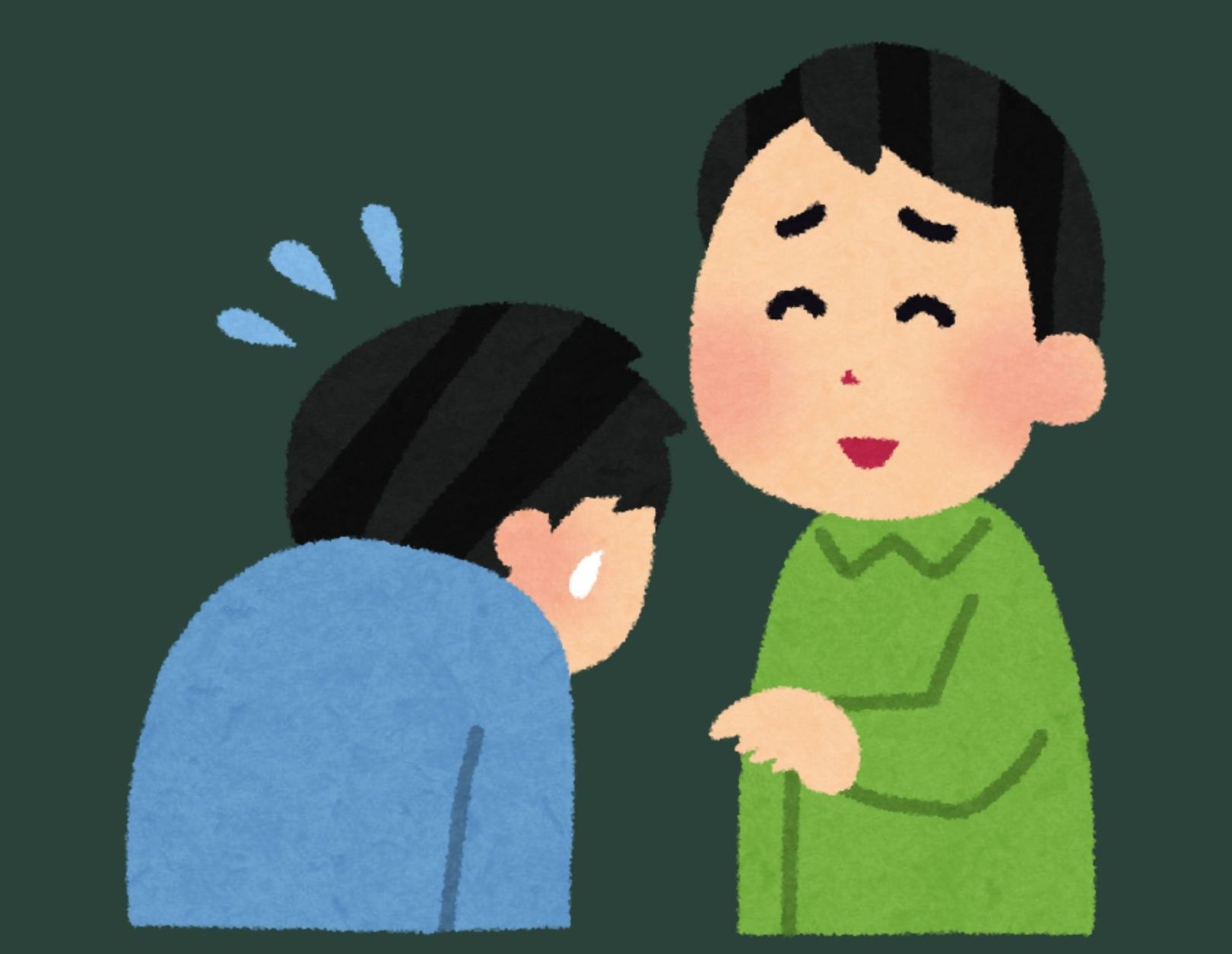
Someone bumps into you on the street, and you say sorry. A meeting gets rescheduled due to someone else's conflict, and you apologize for the inconvenience.
A friend cancels plans, and before they have finished explaining, you are reassuring them that it is completely fine, no problem at all, please do not worry.
Over-apologizing is one of those habits that looks like politeness but is actually something else.
It is a pre-emptive move.
An attempt to absorb discomfort before anyone else has to feel it. It is a way of making yourself small enough that you cannot possibly be a source of friction.
“The compulsive apologizer is apologizing for existing.” — Adam Phillip
What Phillips is pointing to is the underlying logic: if you are always apologizing, you are always positioning yourself as the problem.
You have decided, below the level of conscious thought, that your presence in a situation is the likeliest cause of whatever is wrong with it. The apology is about you and your place in the room.
“Guilt is the price we pay willingly for doing what we are going to do anyway.”— Isabel Allende
There is also another apology that functions as control.
If I say sorry first, I take ownership of the situation before it can be taken from me. The apology seems submissive, but it is actually a way of managing how a moment unfolds.
Neither of these is a moral failure. They are both understandable responses to environments where taking up space was once, in some way, punished, but they are worth noticing.
An apology is meaningful because it is specific; the more it becomes a reflex, the less it means, including about you.