


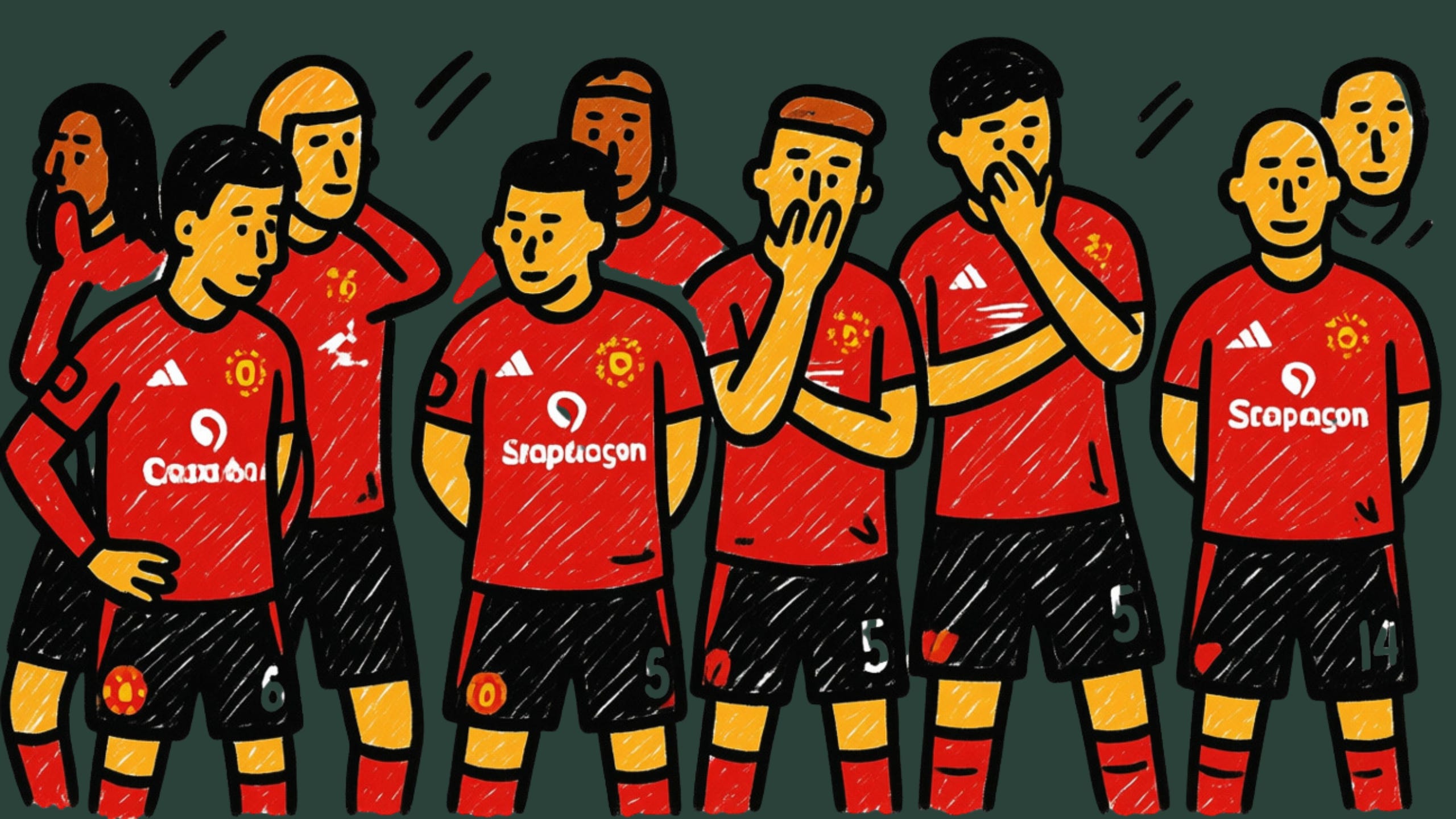
Your team loses, and you’re genuinely upset. You’re irritable for hours, maybe days.
You know, rationally, that this game doesn’t matter in your actual life. You have no control over the outcome.
The players don’t know you exist. Yet you’re emotionally affected as if something personally significant happened.
This is bizarre when you think about it.
Grown adults experience genuine emotional distress because strangers they’ve never met failed to put a ball through a hoop or across a line.
Yet it’s nearly universal among sports fans. Why?
We naturally seek tight-knit communities for a sense of belonging and shared identity.
Whether it is your neighborhood, your hometown, or a local organization, you build profound bonds through shared experiences and mutual support.
When your community thrives, whether through a local project's success or a neighborhood coming together, you feel proud and uplifted. When it faces hardship, you feel the collective weight of those struggles.
Sports seamlessly channel this deep-seated need for connection. Your team becomes your tribe. Their victories feel like your victories. Their defeats feel like your defeats.
The emotional investment that typically binds you to your neighbors and local institutions now anchors you to a franchise and a sprawling network of fellow fans.
This isn’t strictly logical, but human connection rarely is. Your mind doesn’t draw a hard line between a geographic community and a shared fandom.
The feeling of “we won” or “we lost” is completely genuine because the shared joy, camaraderie, and collective heartbreak you experience alongside thousands of strangers are real.
The Identity Component
Sports fandom becomes part of identity.
You’re not just someone who watches a team; you’re a Yankees fan, a Man United supporter, a Warriors follower.
This identity provides a sense of belonging, a shared history with other fans, and a story you’re part of across seasons and years.
When your team loses, it feels like a threat to this identity.
The writer Nick Hornby captured this in Fever Pitch, his book about football fandom: “I fell in love with football as I was later to fall in love with women: suddenly, inexplicably, uncritically, giving no thought to the pain or disruption it would bring with it.”
The investment is real because the identity is real, even if the connection to the team is fundamentally parasocial.
You can intellectually know that sports don’t matter to your life and still feel devastated by a loss.
Knowledge doesn’t override emotion.
Your prefrontal cortex might say, “This is just a game,” but your limbic system is screaming, “We lost!”
This disconnect between what you know and what you feel is the core problem.
You can’t think your way out of emotional investment in sports because that investment doesn’t come from your thinking brain. It’s coming from deeper parts of your brain that don’t care about rational arguments.
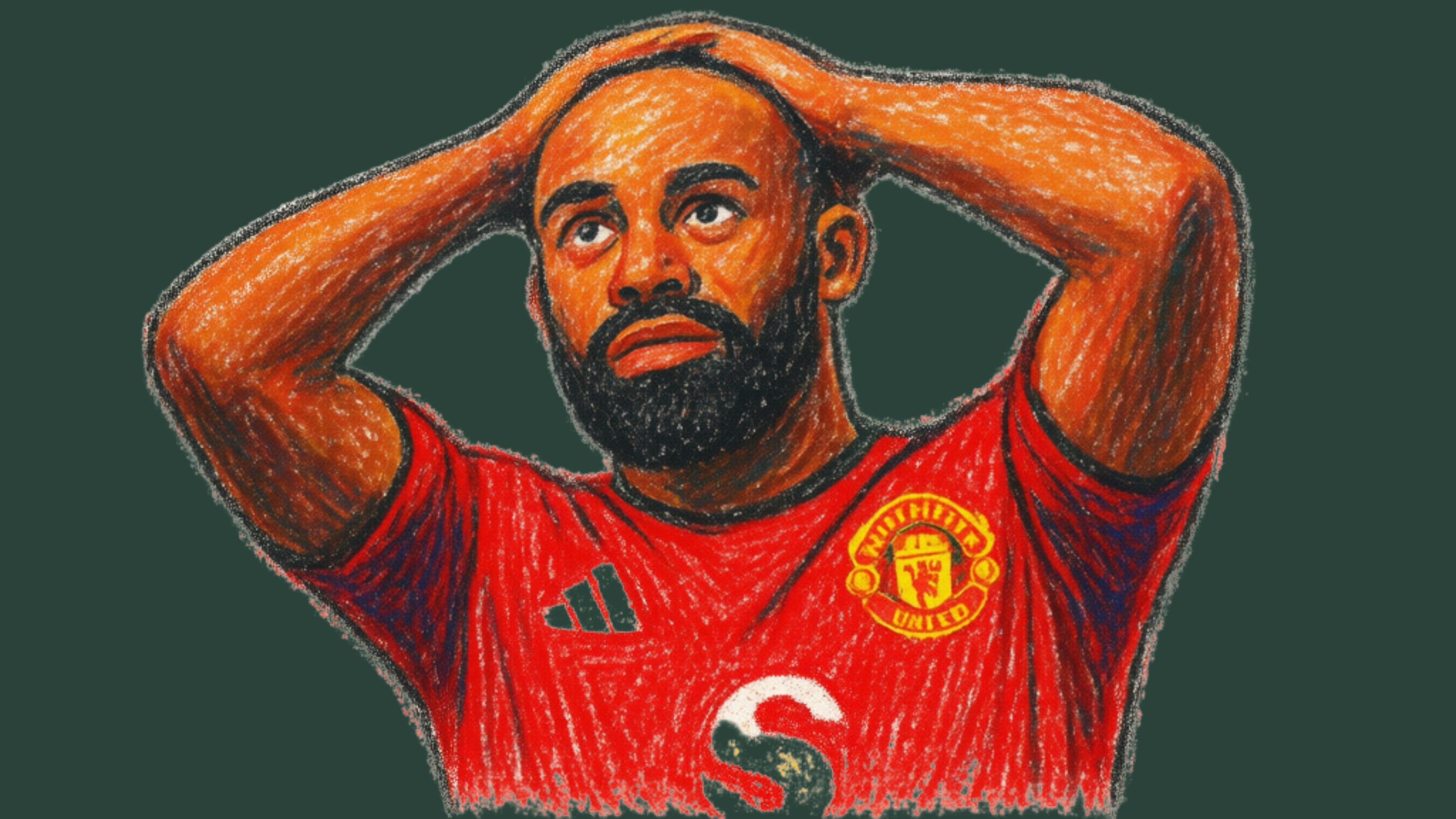
Finding Composure
Composure doesn’t mean not caring.
It means not being controlled by the emotions sports generate.
Here’s how to achieve it:
Recognize the pattern in the moment: When you feel yourself getting emotionally activated by a game, whether it’s rising anxiety, building frustration, or actual anger, notice it. “I’m getting worked up about something I can’t control.”
This simple recognition creates a small space between the emotion and your response to it.Breathe before reacting: When something in the game triggers you, let’s say a bad call, a missed opportunity, or a crushing defeat, take three slow breaths before saying or doing anything. This isn’t woo-woo; it activates your parasympathetic nervous system to counteract the stress response.
Those three breaths can mean the difference between staying composed and saying something you regret to your partner or punching a wall.Zoom out to perspective: Ask yourself, “Will this matter tomorrow? Next week? Next year?” The game feels monumentally important in the moment, but that importance is usually an illusion. Most games, even playoff games, fade quickly in significance.
This perspective doesn’t eliminate the emotion, but it can reduce how much you let it control your behavior.Set boundaries with your consumption: If you know a particular rivalry game or crucial match leaves you emotionally dysregulated for days, consider whether watching it is worth the cost.
You can be a fan without consuming every game, especially the ones that reliably make you miserable.
The writer David Foster Wallace noted, “The truth will set you free. But not until it is finished with you.”
The truth is that sports affect you emotionally. Accepting that truth, rather than fighting it or feeling ashamed, is the first step toward composure.
Create rituals that incorporate emotion: Some fans have rituals that help them process game-related emotions, such as going for a walk after tough losses, using a specific decompression routine, or speaking with other fans to externalize their feelings. These rituals acknowledge the emotion while preventing it from bleeding into the rest of your life.
Remember: you’re not actually on the team. In the heat of the moment, you can feel completely merged with your team. Deliberately reminding yourself you’re a spectator, not a participant, can help you regain healthy distance.
Appreciate the game itself, not just the outcome: Shifting focus from “did we win” to “was that interesting/beautiful/skillful?” reduces the binary emotional stakes. A well-played game that your team loses can still be enjoyed.
This doesn’t come naturally; tribalism wants you focused on winning, but you can learn it.
When Sports Become Unhealthy
Some investment in sports is fine. It’s entertainment, community, and harmless fun, but it crosses into unhealthy territory when:
It regularly ruins your mood for extended periods.
It damages relationships through your emotional reactivity.
It affects your work performance or responsibilities.
You can’t enjoy other aspects of life during losing seasons.
Your self-worth becomes tied to team performance.
If sports fandom genuinely harms your well-being or relationships, scaling back isn’t weakness; it’s wisdom. You should do it.
Sports affect our emotions because they hijack our instincts and become part of identity.
Knowing this intellectually doesn’t stop the emotional response, because it comes from pre-rational parts of your brain.
Composure comes from recognizing the pattern, using breathing to regulate the stress response, staying grounded in what actually matters, setting boundaries around consumption, and remembering you’re a spectator, not a participant.
You can care about sports without letting it control you. You can feel the emotions without letting them dictate your behavior or ruin your day. That’s not being a fake fan; it’s being a mature adult who enjoys sports without letting them destroy you.
The game will end. Your team will win some and lose some. Your job is to enjoy the entertainment without letting it hijack your nervous system or damage your actual life. That’s composure.
Thanks for reading!
This newsletter is free, but if you’re feeling generous, you can support my work by sharing it with a friend, buying me a coffee, or checking out more on Instagram.