


Every January, we make the same mistake. We write down everything we want to accomplish, every habit we want to build, every version of ourselves we want to become. The list grows longer and longer until it stops being a plan and starts being a fantasy.
The truth is more straightforward and more complicated to accept: you cannot do everything, but you can do three things remarkably well.
Why Three?
There’s something almost mathematical about the number three. It’s small enough to remember without effort, but large enough to feel meaningful. Two feels incomplete, like you’re not trying hard enough. Four start to scatter your attention. But three? Three is the sweet spot.
Think about it this way. If you’re working full-time, you’ve got maybe 3-4 hours of truly focused energy each day outside of work. Some days you’ll have more, some less, but let’s be realistic about what’s sustainable. Now divide that across ten goals. You’re looking at 20-25 minutes per goal. That’s not enough time to make real progress on anything. You’re just keeping plates spinning.
What if you divide those same hours across three things? Now you’ve got an hour or more for each. That’s enough time, actually, to move the needle. That’s enough time to build momentum. That’s enough time to see results that keep you motivated.
The magic of three isn’t just about time allocation, though. It’s about mental clarity. When you have three priorities, you always know what to work on. There’s no decision fatigue, no endless deliberation about which goal deserves your attention today. You rotate through your three things, and that’s it.
Our brains like patterns, but they love resolution. Three delivers both.
The Problem with More
I’ve watched countless people (myself included) fall into the trap of overcommitment. We want to learn a language, start a business, get in shape, read more books, learn an instrument, improve our cooking, build better relationships, master a new skill at work, start a side project, and meditate daily. All at once. All starting Monday.
What actually happens? We make progress on nothing. We hop between goals, never staying with any single one long enough to get past the initial discomfort. We interpret our lack of progress as a personal failing rather than a structural problem. We tell ourselves we lack discipline when really we lack focus.
The hidden cost of too many goals isn’t just diluted effort. It’s the constant background anxiety of knowing you’re falling behind on something. Every day becomes a referendum on your inadequacy because no matter what you accomplish, there are seven other things you didn’t do.
This is exhausting. And it’s entirely self-imposed.
How to Choose Your Three
Choosing three things sounds easy until you actually try to do it. Here’s what helps:
Think in terms of categories, not tasks. Instead of “run three times a week,” “do strength training twice a week,” and “stretch daily,” you have one priority: “get consistently strong and fit.” The specific tactics can vary, but the category stays constant.
Choose things that compound. The best priorities are those where today’s effort makes tomorrow’s effort easier. Learning to code compounds because each concept builds on the last. Building a business compounds because each customer teaches you something. Getting fit compounds because strength and endurance enable more intense training.
Pick one thing you want, one thing you need, and one thing that scares you.
The thing you want keeps you excited. The thing you need keeps you honest. The thing that scares you keeps you growing. If all three are things you “should” do, you won’t stick with them. If all three are comfortable, you’re not challenging yourself enough.
The Practice of Three
Once you’ve chosen your three things, the actual practice is straightforward but not easy.
First, write them down somewhere you’ll see them every single day. Not buried in a notes app or a journal you open once a week. Somewhere visible. Your bathroom mirror. Your phone wallpaper. A sticky note on your laptop. You need these three things to be your constant companions.
Second, schedule them. And I mean actually schedule them, with specific times blocked on your calendar. “I’ll work on it when I have time” means you’ll never work on it. Your three priorities deserve the same respect as a meeting with your boss or a doctor’s appointment.
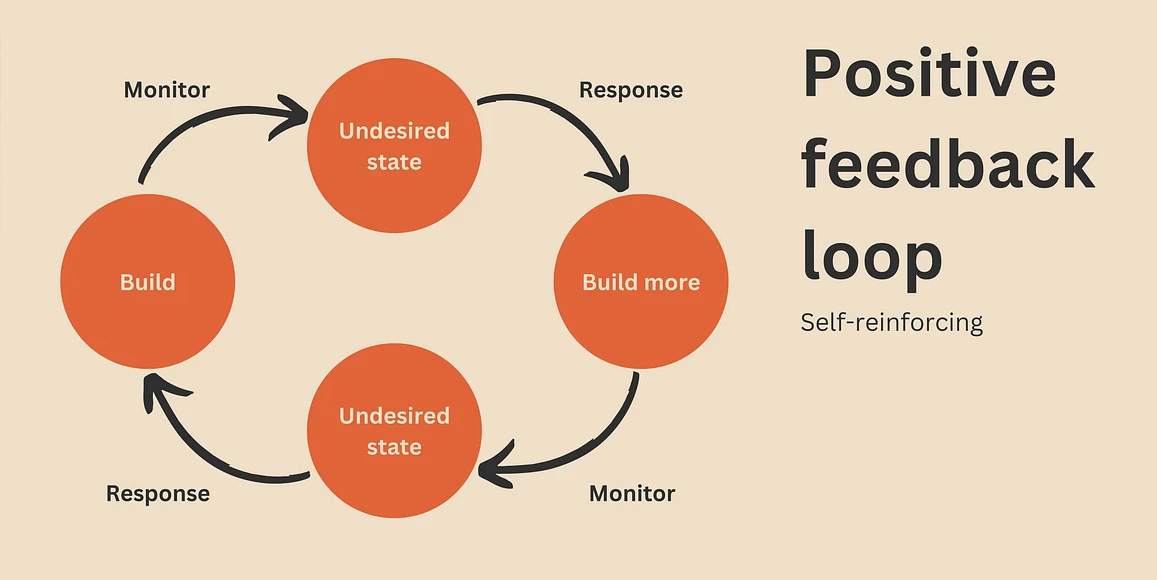
Third, track your consistency, not your results. Results take time and often feel far away. Consistency is something you can verify every single day. Did you show up for your three things today? Yes or no. Simple feedback loop.
Finally, protect your three things fiercely. This is the hard part. There will always be something else demanding your attention: a new opportunity, a shiny distraction, social pressure to take on more. Your job is to say no to all of it. Not “no forever,” just “no for now.” Your three things get your best energy and attention. Everything else gets what’s left over.
What Happens When You Actually Do This
Something remarkable happens when you focus on three things for an extended period. You start to see real progress. Not the incremental shuffle-forward of divided attention, but actual, visible improvement.
The skill you’re learning starts to click. The business you’re building gains traction. The fitness goal you’re chasing becomes your new normal. And because you’re seeing results, motivation stops being something you have to manufacture. It becomes self-sustaining.
You also become more interesting. Someone who’s genuinely good at three things is more compelling than someone who’s dabbled in thirty. Depth beats breadth in almost every context that matters.
Perhaps most importantly, you prove something to yourself. You demonstrate that you can commit to something and follow through. That you can make a decision and honor it. That you’re the kind of person who does what they say they’re going to do.
This matters more than any individual achievement. It changes how you see yourself and how you approach future challenges.

This year, resist the urge to do everything. Pick three things. Write them down. Show up for them every day. Protect them from the thousand small distractions that will try to pull you away.
In twelve months, you’ll be genuinely skilled at three things that matter to you. Or you’ll have a list of twenty things you started, and none of them will have changed your life.
The choice is obvious. The execution is hard. But three things?
You can do three things.
Two more reads that you might enjoy:
1. Uncertainty is a teacher, if we let it be: When we let go of needing to know everything, something else opens up possibilities. Creativity. Flexibility. A deeper trust in our own inner compass, rather than waiting for the map. Because sometimes the map doesn’t exist. Sometimes you are writing it as you go.
2. The actual cost of emotional honesty: We are taught to be strong. To keep it together. To smile politely even when our insides are unravelling. Somewhere along the way, emotional control became a badge of honour. Don’t cry. Don’t get angry. Don’t show too much. As if feelings are something to manage, to suppress, to hide.
Grab my template for setting a theme for the year.